Stroke Awareness Resources
Welcome to the Brazos Valley Regional Advisory Council’s (BVRAC) Stroke Awareness Resources. Here, you’ll find essential information on understanding, preventing, and recovering from stroke, all designed to help you and your loved ones stay informed and prepared.
Understanding Stroke
A stroke occurs when blood flow to a part of the brain is interrupted or reduced, depriving brain tissue of oxygen and nutrients. Immediate medical attention is crucial as brain cells begin to die within minutes. Understanding the types of stroke—Ischemic, Hemorrhagic, and Transient Ischemic Attack (TIA)—can help you recognize the signs and take quick action.
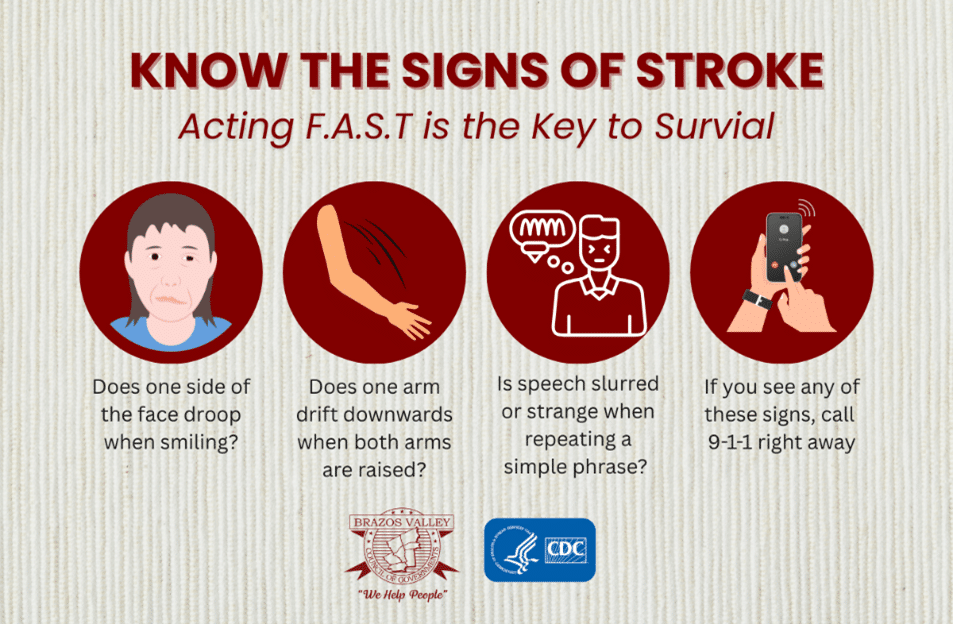
Common Signs and Symptoms (F.A.S.T.)
-
Face Drooping: One side of the face may droop or feel numb.
-
Arm Weakness: One arm may feel weak or numb.
-
Speech Difficulty: Speech may be slurred or hard to understand.
-
Time to Call 911: If any of these symptoms are present, act fast—call 911 immediately.
For more information, visit the American Stroke Association.
Preventing Stroke
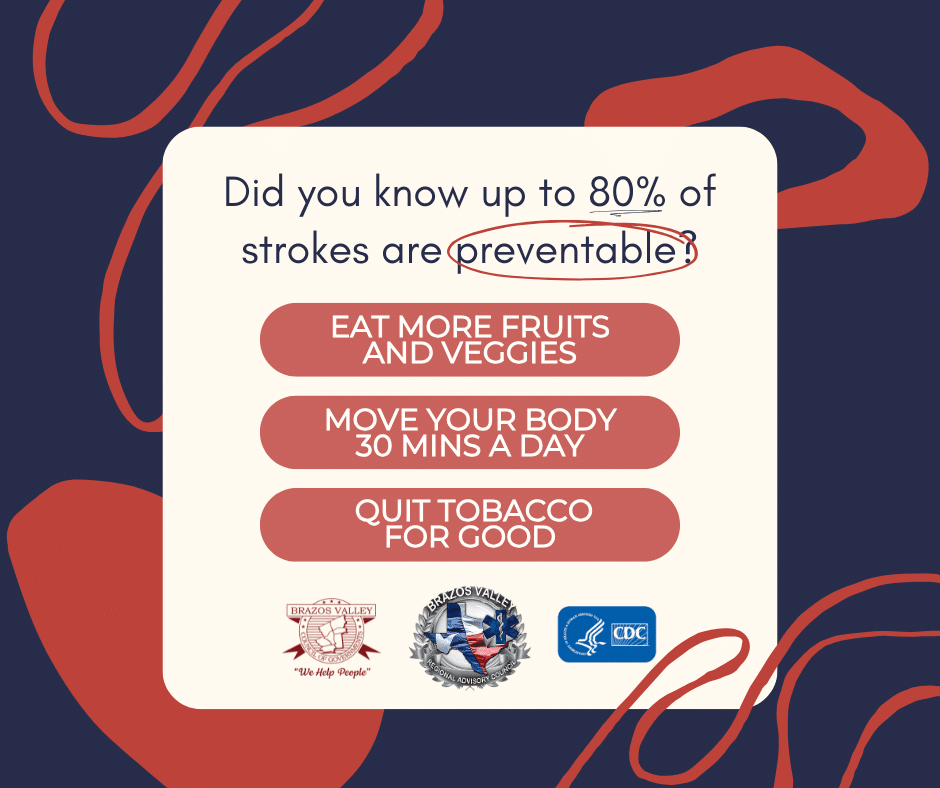
Up to 80% of strokes are preventable through lifestyle changes. By making healthier choices, you reduce your risk of stroke and improve your overall quality of life.
Key Prevention Tips:
-
Healthy Eating: Choose heart-friendly foods, such as lean proteins, whole grains, and fresh vegetables. Reduce salt, sugar, and processed foods.
-
Stay Active: Regular physical activity helps manage weight, blood pressure, and cholesterol levels.
-
Avoid Tobacco and Limit Alcohol: Smoking and excessive alcohol use significantly increase your risk of stroke.
-
Monitor Your Health: Regular check-ups for blood pressure, cholesterol, and blood sugar are vital.
Visit the Centers for Disease Control and Prevention (CDC) for comprehensive guidance.
Hidden Risk Factors
Many stroke risk factors are often hidden, such as sleep apnea, poor diet, and a sedentary lifestyle. Understanding these risks can help you take proactive steps toward better health.
Hidden Risks Include:
-
Sleep Apnea: Increases risk by causing repeated drops in blood oxygen.
-
Sedentary Lifestyle: Lack of physical activity slows circulation and contributes to weight gain.
-
Poor Dietary Choices: High-sodium and processed foods elevate blood pressure and cholesterol.
-
Alcohol Use and Stress: Both can raise blood pressure and lead to irregular heart rhythms.
For more information, visit the National Institute of Neurological Disorders and Stroke (NINDS).
Stroke Recovery and Support
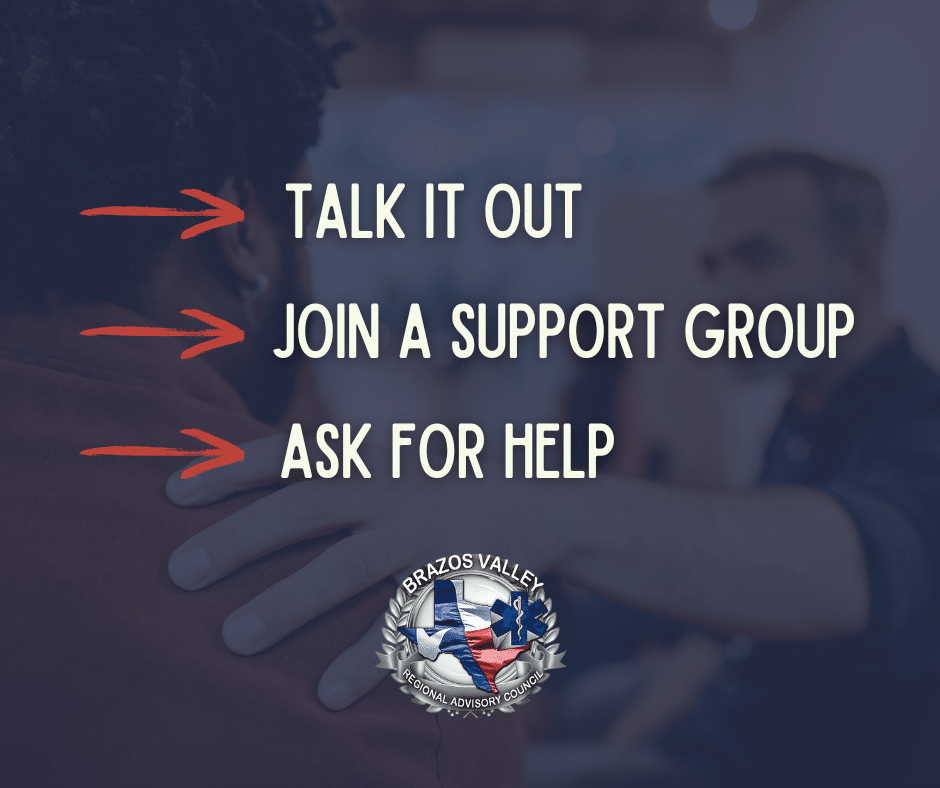
Recovery from stroke is a journey that involves physical, emotional, and social adjustments. BVRAC provides access to local support groups, rehabilitation services, and community resources to help survivors and their families navigate this path.
Common Recovery Steps:
-
Physical Therapy: Improves mobility and strength.
-
Occupational Therapy: Helps relearn daily activities.
-
Speech Therapy: Supports communication and swallowing difficulties.
-
Emotional Support: Addresses anxiety, depression, and cognitive changes.
Learn more about recovery at the Stroke Foundation.
Community Resources
BVRAC is committed to connecting you with local and national resources for stroke awareness and recovery:
-
Stroke Support Groups
-
Area Agency on Aging
-
Mental Health Services
Visit the National Stroke Association for additional resources or contact us to learn how you can access support in the Brazos Valley.
Take control of your health, stay informed, and support those affected by stroke. Together, we can build a stronger, healthier community.