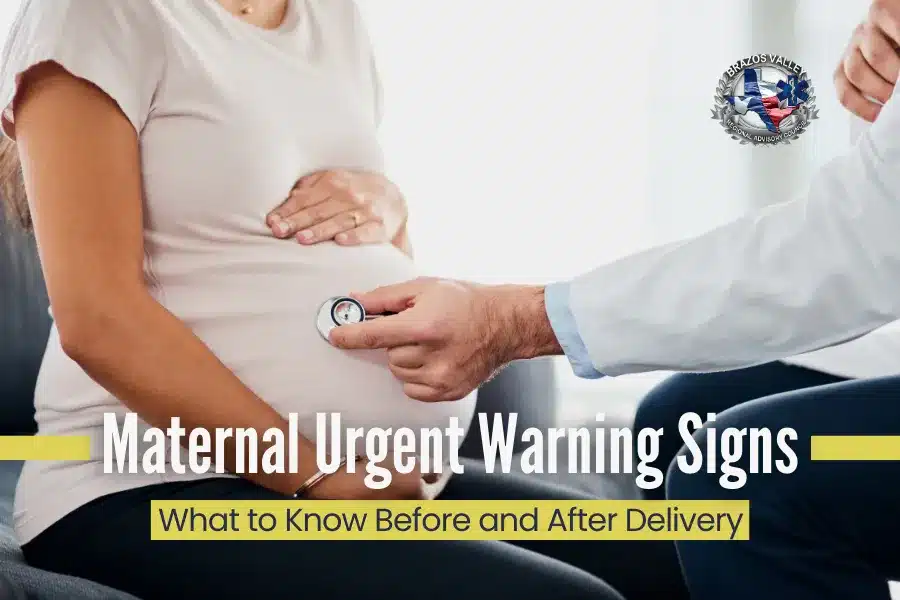
Pregnancy and childbirth are life-changing experiences, and they can also bring physical changes that deserve careful attention. Knowing what to ask your provider before delivery and understanding which symptoms require immediate postpartum care can make all the difference for you and your baby’s health.
This guide covers two important areas: pain management planning before delivery and urgent postpartum warning signs you should never ignore.
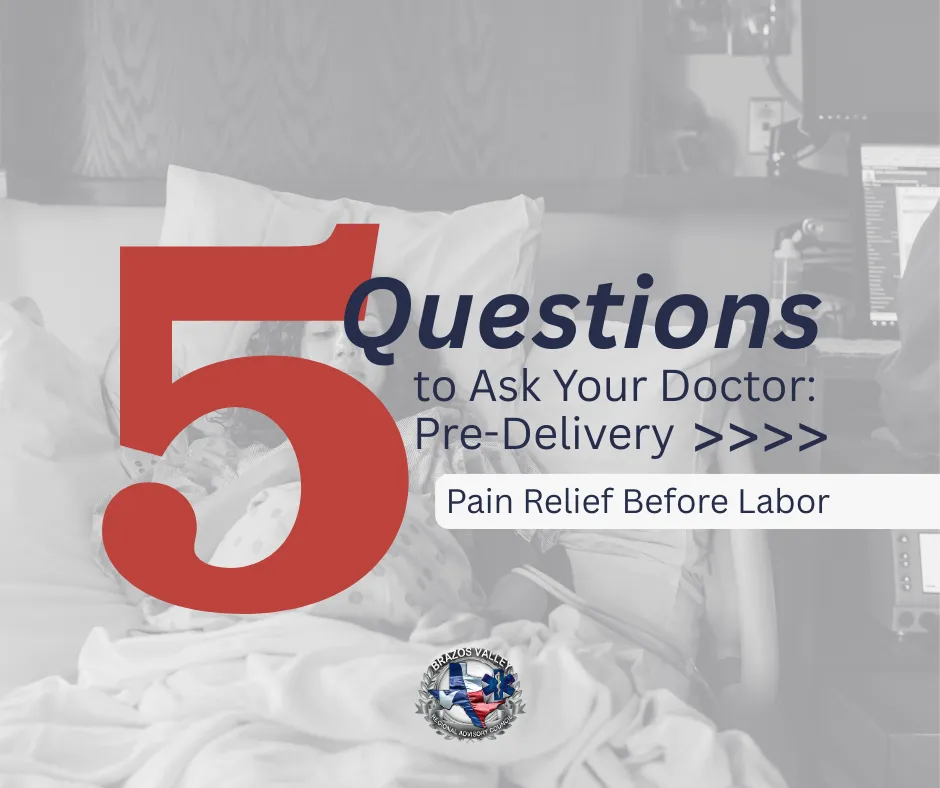
Before Delivery: Questions to Ask About Pain Management
When it comes to labor, every birth story is unique, and so is every woman's approach to pain relief. Talking with your provider early can help you feel confident and prepared when the big day arrives. Consider asking these key questions:
- What pain management options are available at this hospital or birth center?
Epidurals, spinal blocks, IV medications, and natural techniques may all be options, but availability varies. - Can I change my mind during labor?
Understanding the flexibility you have can relieve anxiety and help you make decisions in the moment. - What are the potential risks or side effects of each method?
Make sure you understand both short-term and long-term effects for you and your baby. - Will I still be able to move around if I choose certain pain medications?
Some methods allow mobility; others require bed rest. - What support will I have for non-medicated pain management?
Ask about birthing balls, showers/tubs, breathing techniques, and trained staff support.
After Delivery: 10 Postpartum Symptoms You Should Never Ignore
Even after delivery, your body is still recovering and adjusting. Some changes are normal but others could be signs of serious complications. If you experience any of the following, seek medical help immediately:
- Heavy bleeding or passing large clots after the first 24 hours.
- Severe headache that doesn't improve with rest or medication.
- Sudden swelling in your face, hands, or legs.
- Fever or chills (temperature over 100.4°F).
- Chest pain, shortness of breath, or rapid heartbeat.
- Severe abdominal pain that feels different from normal postpartum cramping.
- Vision changes such as blurriness, flashing lights, or spots.
- Pain, swelling, or redness in one leg (possible blood clot).
- Foul-smelling vaginal discharge.
- Feelings of hopelessness, anxiety, or thoughts of harming yourself or your baby.
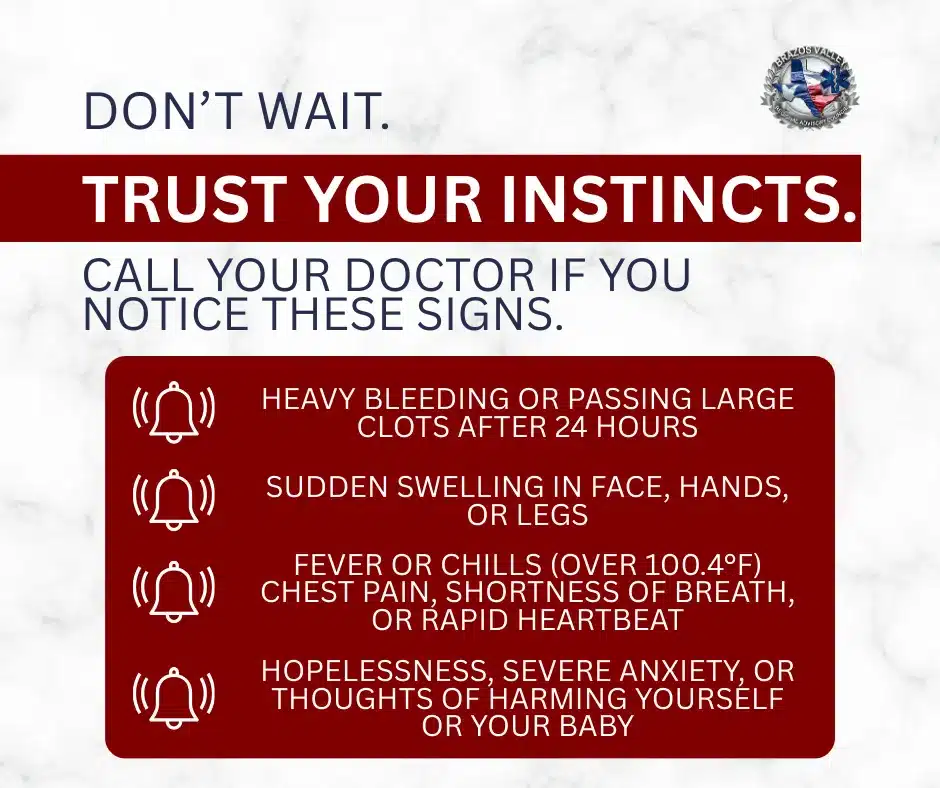
Remember: Postpartum complications can happen in the first days, weeks, or even months after giving birth. Trust your instincts, and if something feels wrong, get checked right away.
The Bottom Line
Your health matters before, during, and after childbirth. Taking time to talk openly with your provider about pain management options before labor can help you feel more in control. And knowing the urgent postpartum warning signs can protect your life and well-being in those crucial weeks after delivery.
Brazos Valley Regional Advisory Council (BVRAC) is committed to providing resources and education for maternal health and safety. Learn more about our programs and local health partners at bvrac.com.