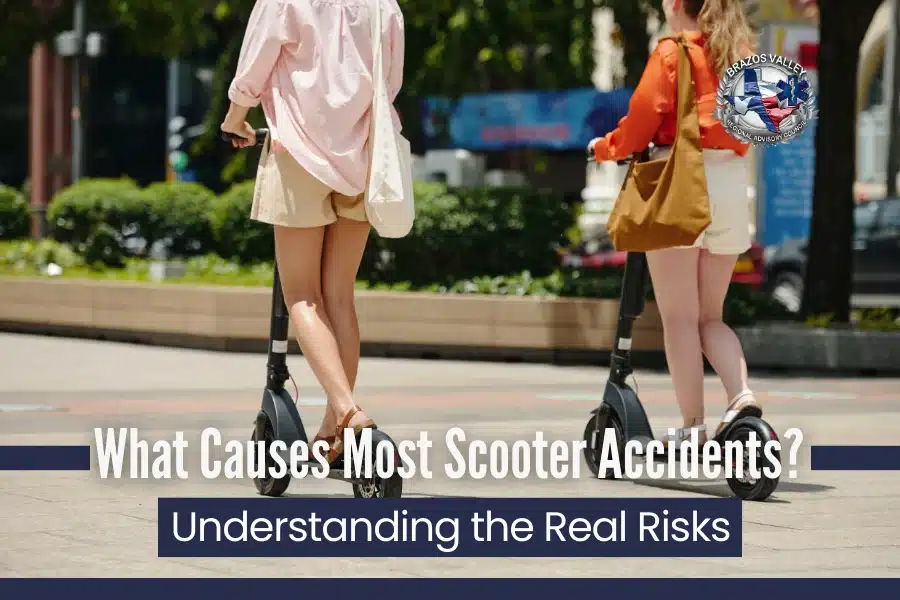
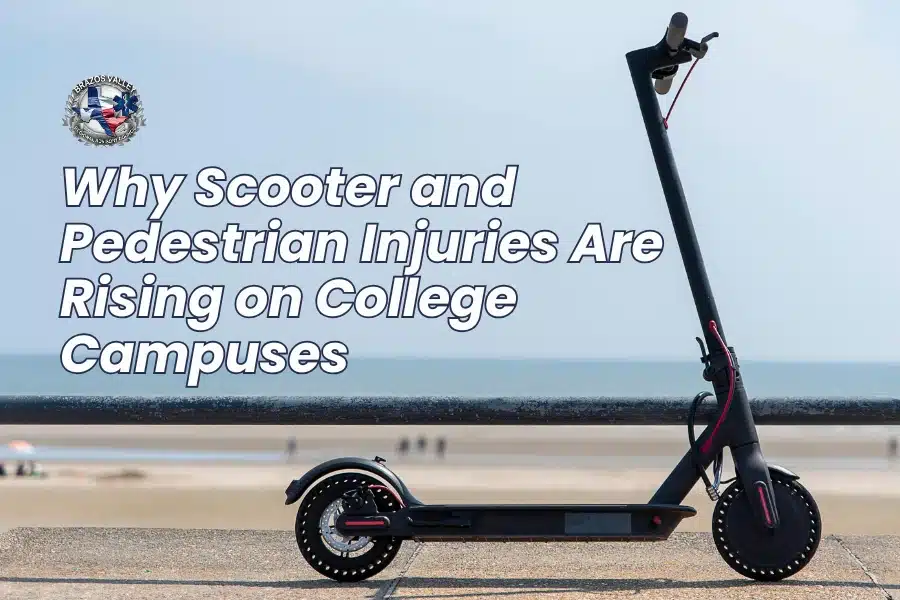
College campuses are designed for movement. students walking to class, biking across campus, and increasingly, riding electric scooters. While scooters offer convenience and affordability, injury data nationwide shows a troubling trend: scooter and pedestrian injuries are rising on college campuses.
Understanding why this is happening is the first step toward preventing serious injuries.
The Rapid Growth of Electric Scooters
Over the past few years, shared and privately owned electric scooters have become a staple of campus life. They’re:
- Fast
- Inexpensive
- Easy to access
- Ideal for short distances
But with increased popularity comes increased risk. Many campuses were not originally designed to accommodate high-speed micro-mobility devices operating alongside dense pedestrian traffic.
Congested Walkways and Shared Spaces
College campuses are unique environments:
- Thousands of students moving at once
- Tight sidewalks and crosswalks
- Limited bike lanes
- Frequent street crossings
- Heavy foot traffic between class periods
Scooters often travel faster than pedestrians expect. When sidewalks become shared between walkers, cyclists, and scooter riders, reaction time decreases and collisions become more likely.
Speed + Inexperience = Higher Injury Risk
Many scooter riders:
- Have little or no prior experience
- Do not wear helmets
- Ride while distracted (phones, headphones)
- Travel downhill at high speeds
- Ride double (two people on one scooter)
Electric scooters can reach speeds of 15–20 mph. At that speed, a fall can result in:
- Concussions
- Facial fractures
- Broken wrists or arms
- Severe road rash
- Dental injuries
Head injuries are especially concerning, as many riders do not wear helmets.
Pedestrians Are Also at Risk
It’s not just riders getting hurt.
Pedestrians are experiencing injuries when:
- They are struck by scooters
- Scooters are left blocking sidewalks
- Riders weave through crowds
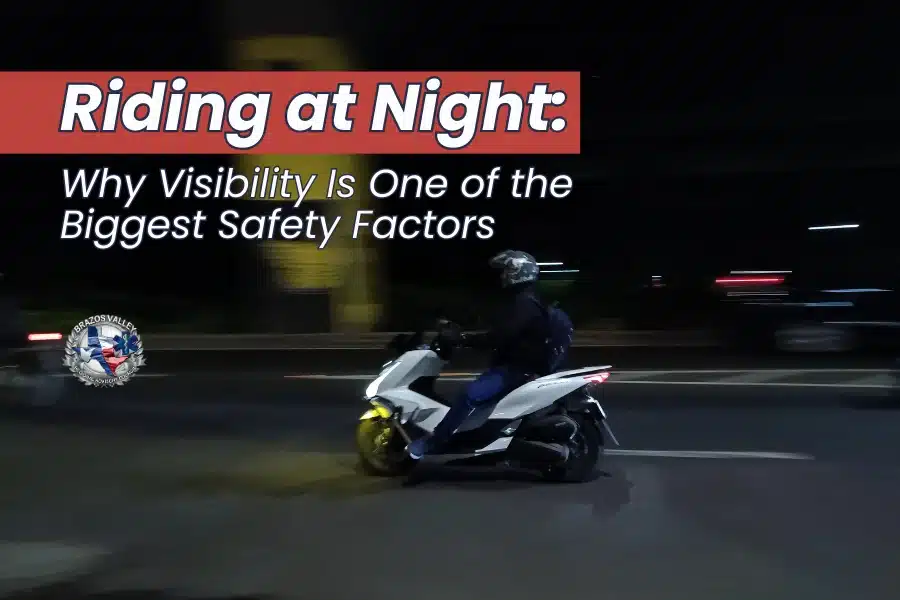
- Visibility is limited at night
Students carrying backpacks, wearing headphones, or looking at their phones may not see or hear an approaching scooter until it’s too late.
Nighttime and Visibility Issues
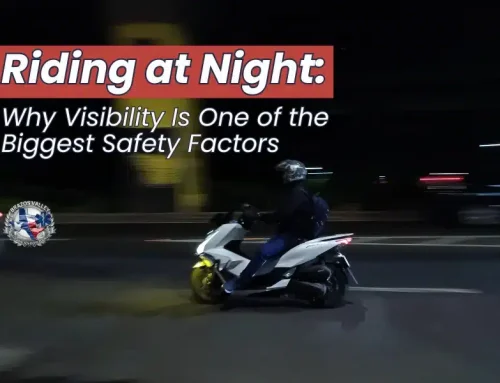
Many campus injuries occur in the evening. Contributing factors include:
- Low lighting
- Dark clothing
- Reduced visibility at crosswalks
- Alcohol use during social events
- Fatigue
When speed and reduced awareness combine, the likelihood of serious injury increases significantly.
Lack of Helmet Use
One of the most alarming trends in scooter-related injuries is the low rate of helmet use.
Helmets dramatically reduce the risk of traumatic brain injury, yet many students view scooters as “casual transportation” rather than a vehicle requiring protective gear.
A fall at 15 mph onto pavement can cause life-altering injury. The brain does not distinguish between a “short trip to class” and a high-speed crash.
The Bigger Picture: Preventable Trauma
Most scooter and pedestrian injuries are preventable. Small behavior changes can significantly reduce risk:
- Wear a helmet
- Slow down in crowded areas
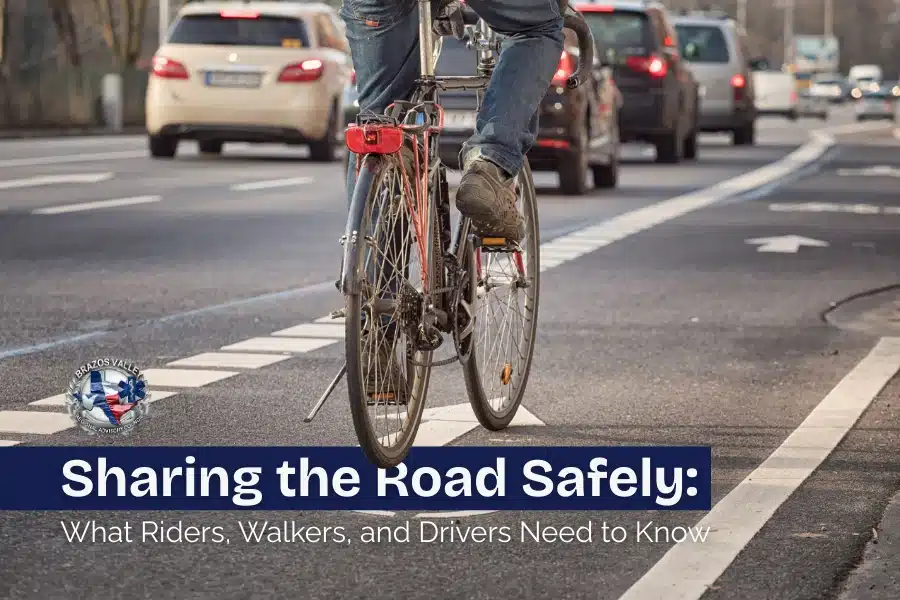
- Use bike lanes when available
- Avoid riding on packed sidewalks
- Do not ride distracted
- Park scooters responsibly
- Increase visibility at night
Campus safety is a shared responsibility.
BVRAC and Injury Prevention in the Brazos Valley
In the Brazos Valley, BVRAC works to strengthen trauma systems, public education, and injury prevention efforts across our region. As micro-mobility devices become more common on college campuses, community education and awareness play a key role in reducing preventable injuries.
Through partnerships, outreach, and safety initiatives, BVRAC supports efforts that promote safer behaviors and faster response when injuries occur.