Heart disease remains one of the leading causes of death across Texas and the Brazos Valley is no exception. In counties like Brazos, Burleson, Robertson, Grimes, Leon, Madison, and Washington, heart-related deaths continue to impact families every year.
The encouraging news? Many cases of heart disease are preventable.
Prevention does not require extreme changes. In fact, small, consistent lifestyle adjustments can dramatically reduce your risk and improve long-term health.
Start With Your Numbers
Prevention begins with awareness.
Know your:
- Blood pressure
- Cholesterol levels
- Blood sugar
- Body mass index (BMI)
- Family history
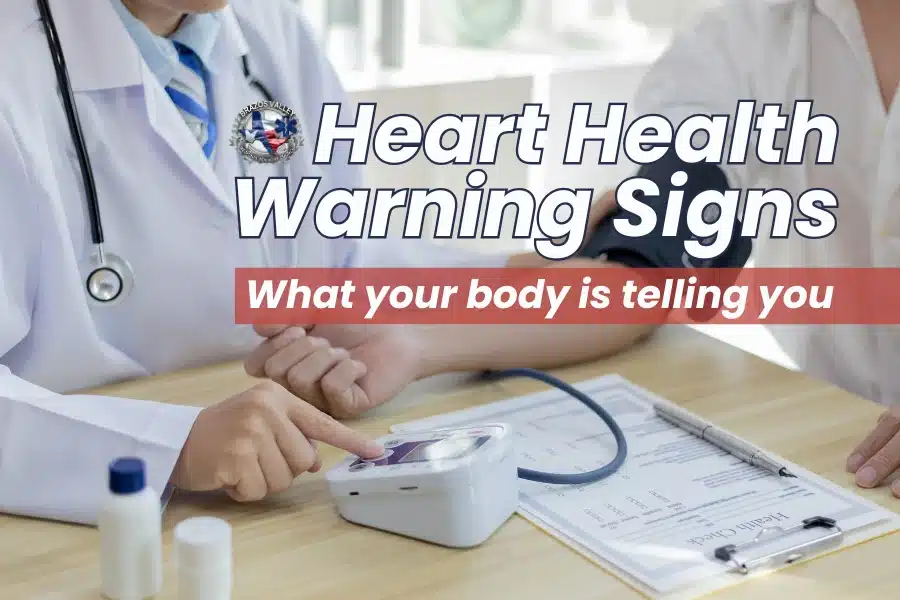
High blood pressure (hypertension) is one of the strongest contributors to heart disease and often has no symptoms. Routine screenings at your primary care provider or local clinic can identify issues early, before a heart attack or stroke occurs.
If you are 35 or older, regular monitoring is especially important.
Move Your Body, Even a Little Counts
You do not need intense workouts to protect your heart.
Start with:
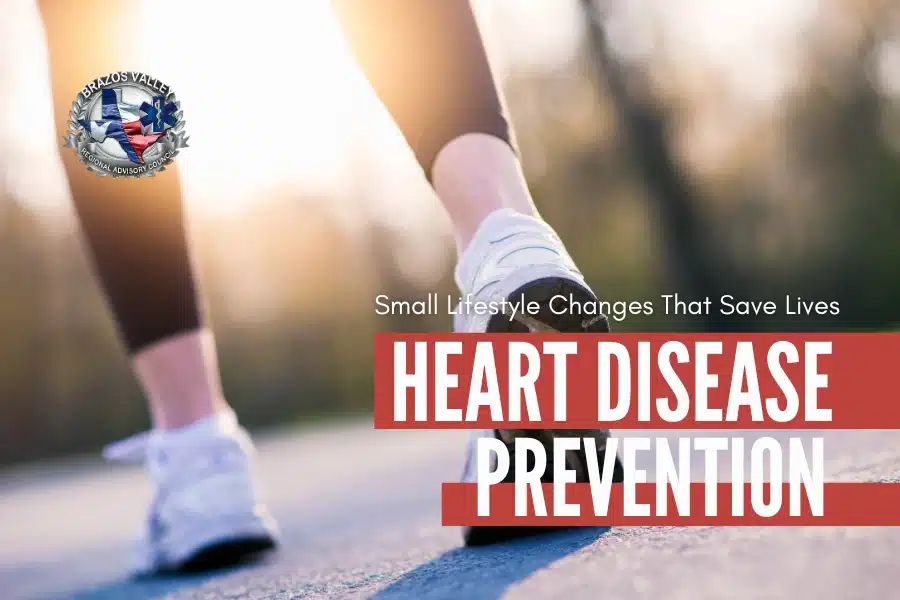
- 30 minutes of brisk walking five days a week
- Taking the stairs instead of the elevator
- Parking farther from entrances
- Gardening or yard work
Physical activity helps:
- Lower blood pressure
- Improve cholesterol
- Maintain a healthy weight
- Reduce stress
In rural parts of the Brazos Valley, daily activity can often be built into your routine. Consistency matters more than intensity.
Make Smarter Food Choices
Heart-healthy eating is about balance, not perfection.
Small changes that make a big difference:
- Reduce sodium intake
- Choose lean proteins
- Add more fruits and vegetables
- Limit processed foods
- Watch portion sizes
Simple swaps like choosing grilled instead of fried or water instead of sugary drinks can lower long-term cardiovascular risk.
Manage Stress Before It Manages You
Chronic stress can increase blood pressure and strain your heart.
Try:
- Deep breathing exercises
- Spending time outdoors
- Connecting with family and friends
- Setting healthy work-life boundaries
- Getting adequate sleep
Mental health and heart health are closely connected. Protecting one helps protect the other.
Quit Tobacco and Limit Alcohol
Smoking damages blood vessels and significantly increases heart attack risk. Quitting at any age improves heart health.
If you drink alcohol, moderation is key. Excessive drinking can raise blood pressure and contribute to heart problems.
Don’t Ignore Early Warning Signs
Prevention also includes early recognition.
Seek immediate medical care if you experience:
- Chest discomfort
- Shortness of breath
- Arm, jaw, or back pain
- Sudden dizziness or nausea
Acting quickly improves survival and recovery outcomes.
Why Prevention Matters in the Brazos Valley
Across the Brazos Valley region, heart disease continues to affect both urban and rural communities.
Rural counties may face:
- Limited access to specialty cardiac care
- Longer EMS response times
- Fewer preventive screenings
That makes lifestyle prevention even more important. Small, daily choices can help reduce the likelihood of emergencies.
Community Efforts Supporting Heart Health
Brazos Valley Regional Advisory Council works with hospitals, emergency responders, and community partners to strengthen preparedness and improve outcomes for time-sensitive conditions like heart attacks and stroke.
Through public education and regional coordination, ongoing efforts aim to increase awareness, encourage early intervention, and support healthier communities throughout the Brazos Valley.
Prevention is not just a personal responsibility; it is a community priority.
Final Thoughts
Heart disease prevention does not require dramatic overhauls. It starts with small, manageable steps taken consistently over time.
Walk a little more.
Eat a little better.
Schedule that check-up.
Manage your stress.
Small lifestyle changes today can save lives tomorrow.