
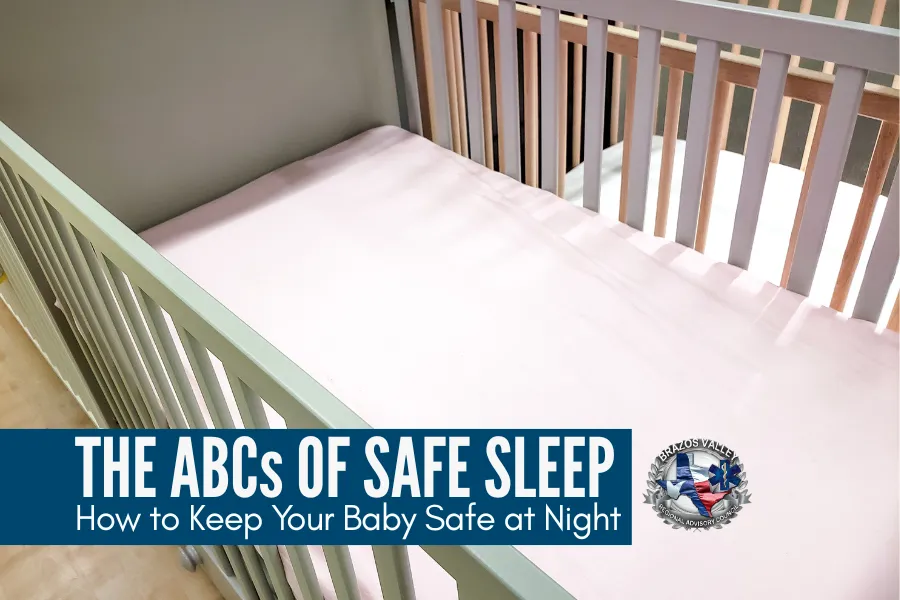
Plus Common Sleep Mistakes New Parents Make and How to Avoid Them
For new parents, nothing is more important than their baby’s safety, especially during sleep. While a cozy crib or a snuggly blanket might seem comforting, certain sleep practices can increase the risk of sudden infant death syndrome (SIDS) and other sleep-related dangers. The good news? Safe sleep is simple once you know the basics.
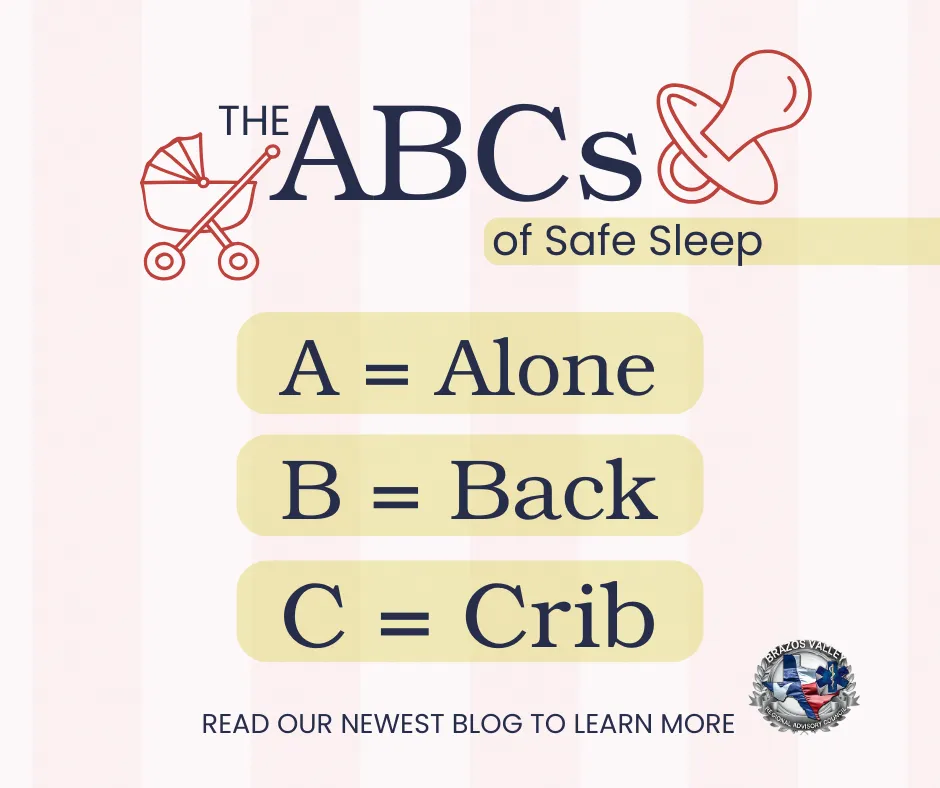
The ABCs of Safe Sleep
The American Academy of Pediatrics recommends following the “ABCs” to keep your baby safe while they sleep:
A – Alone
Your baby should always sleep in their own sleep space, whether that’s a crib, bassinet, or portable play yard. Room-sharing (not bed-sharing) is safest for at least the first 6 months.
B – Back
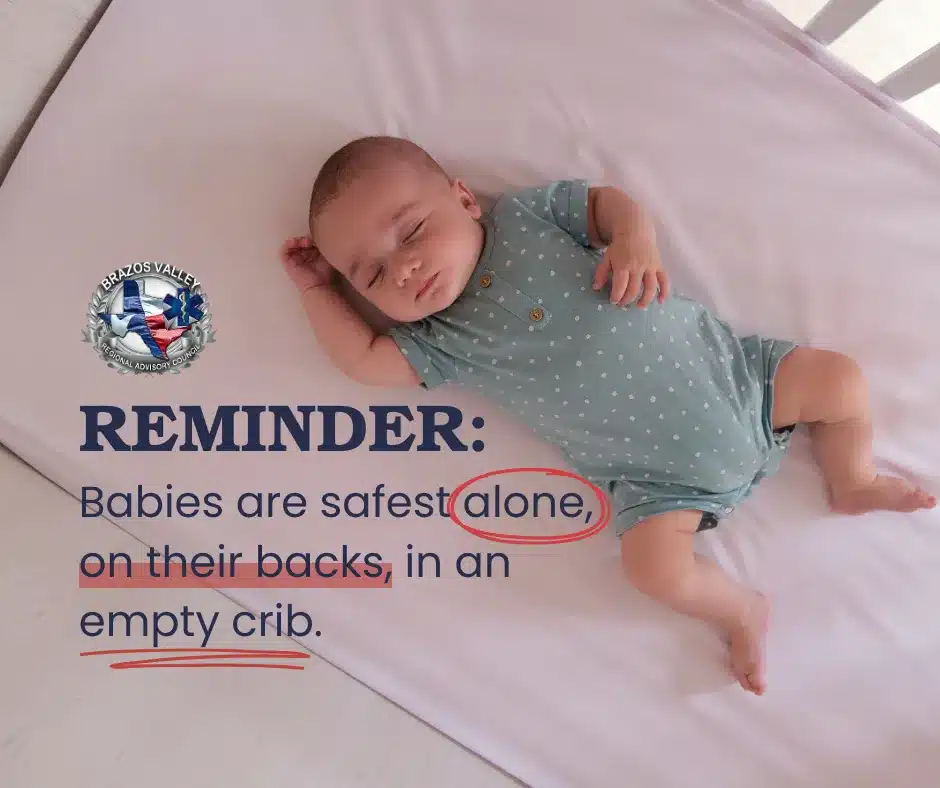
Place your baby on their back for every sleep, naps, and nighttime. This position keeps their airway clear and reduces the risk of SIDS.
C – Crib
Your baby should sleep in a crib, bassinet, or portable play yard that meets current safety standards. The surface of sleep should be firm, flat, and free from soft bedding, pillows, stuffed animals, or bumper pads.
Common Sleep Mistakes New Parents Make And How to Avoid Them
Even with the best intentions, some common habits can unintentionally put babies at risk. Here’s what to watch for:
1. Bed-Sharing Instead of Room-Sharing
While it may seem easier to keep your baby in bed with you, bed-sharing increases the risk of suffocation and overheating. Instead, place your baby’s crib or bassinet next to your bed so they’re close without sharing the same sleep surface.
2. Using Soft Bedding or Pillows
Items like blankets, pillows, stuffed animals, and crib bumpers may seem harmless, but they can pose a suffocation hazard. Keep the crib clear; your baby doesn’t need anything except a fitted sheet and, if needed, a wearable sleep sack for warmth.
3. Letting Baby Sleep in Car Seats, Swings, or Loungers Unsupervised
These items are great for short periods when the baby is awake and supervised, but they’re not designed for safe, unsupervised sleep. Always move your baby to a flat, firm surface if they fall asleep in one of these devices.
4. Overheating the Room
Babies are sensitive to temperature. Dress them in lightweight sleep clothing and keep the room between 68–72°F. If you’re unsure, a good rule is to dress your baby in one more layer than you would wear to be comfortable.
5. Forgetting Tummy Time
While your baby should always sleep on their back, they still need supervised tummy time during the day to help strengthen their muscles and prevent flat spots on their head.
Final Thoughts: Safe Sleep Saves Lives
Safe sleep practices may seem simple, but they make a big difference in reducing the risk of SIDS and other sleep-related dangers. By following the ABCs—Alone, Back, Crib—and avoiding common mistakes, you can rest easier knowing your baby is sleeping safely.
Brazos Valley Regional Advisory Council (BVRAC) is committed to promoting maternal and infant health through education and community resources.
If you are pregnant or planning a pregnancy, speak with your healthcare provider about your risk for high blood pressure and how to manage it.