Pregnancy is an exciting and transformative time, but it also comes with unique health considerations. One of the most important things to be aware of is maternal hypertension, high blood pressure during pregnancy. If left unmanaged, it can lead to serious complications for both mother and baby.
Whether you’re pregnant or planning to be, knowing the warning signs and management strategies can help you protect your health and your growing family.
What Is Maternal Hypertension?
Maternal hypertension occurs when a pregnant woman’s blood pressure is consistently higher than normal. There are several types, including:
- Chronic Hypertension – High blood pressure present before pregnancy or diagnosed before 20 weeks.
- Gestational Hypertension – High blood pressure that develops after 20 weeks of pregnancy.
- Preeclampsia – High blood pressure with signs of organ damage, typically after 20 weeks.
All forms require careful monitoring and, in some cases, medical intervention.
Signs Every Pregnant Woman Should Watch For
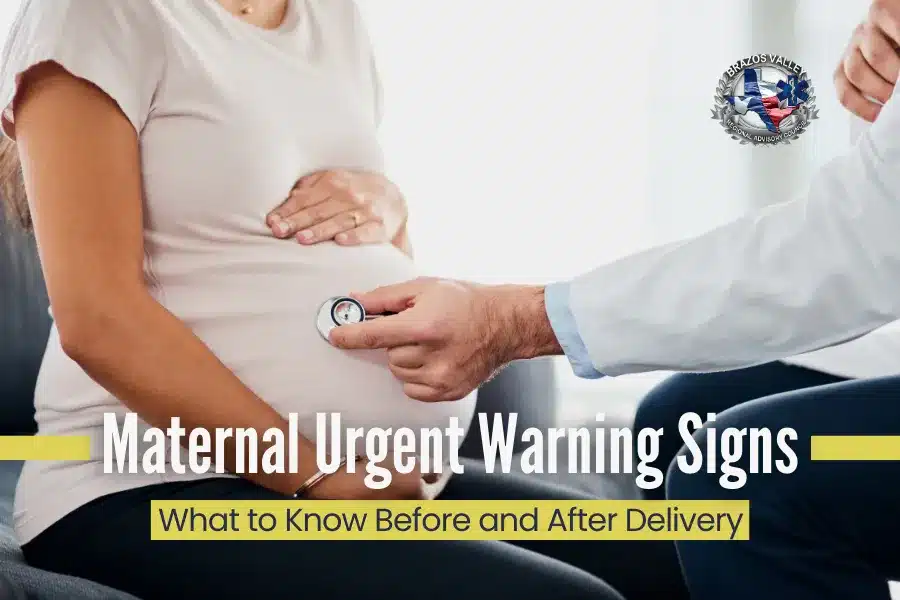
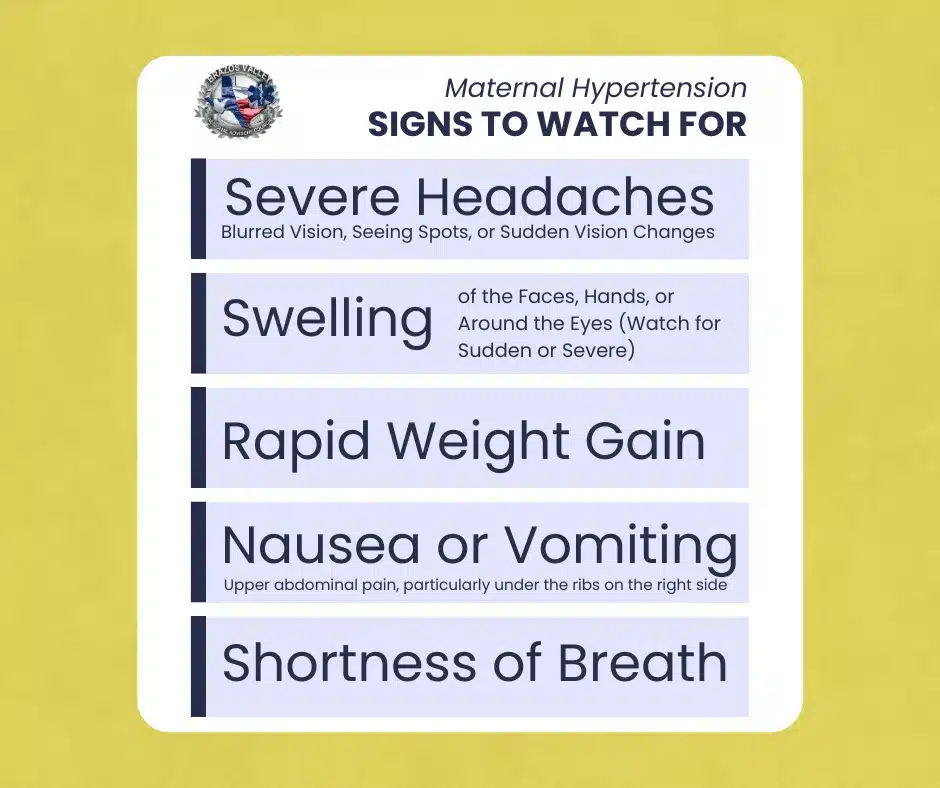
High blood pressure doesn’t always cause noticeable symptoms, which is why regular prenatal check-ups are so important. Still, you should contact your healthcare provider right away if you experience:
- Severe headaches that don’t go away with rest or medication
- Blurred vision, seeing spots, or sudden vision changes
- Swelling of the face, hands, or around the eyes (especially if sudden or severe)
- Rapid weight gain is not related to eating habits
- Upper abdominal pain, particularly under the ribs on the right side
- Nausea or vomiting later in pregnancy
- Shortness of breath or chest discomfort
If you notice any of these symptoms, it’s best to seek medical care immediately. Preeclampsia and other hypertensive disorders can progress quickly.
Managing High Blood Pressure During Pregnancy
Treatment and prevention strategies vary based on the severity of your blood pressure, your medical history, and your provider’s recommendations. Here are natural and medical approaches that may help:
Natural & Lifestyle Strategies
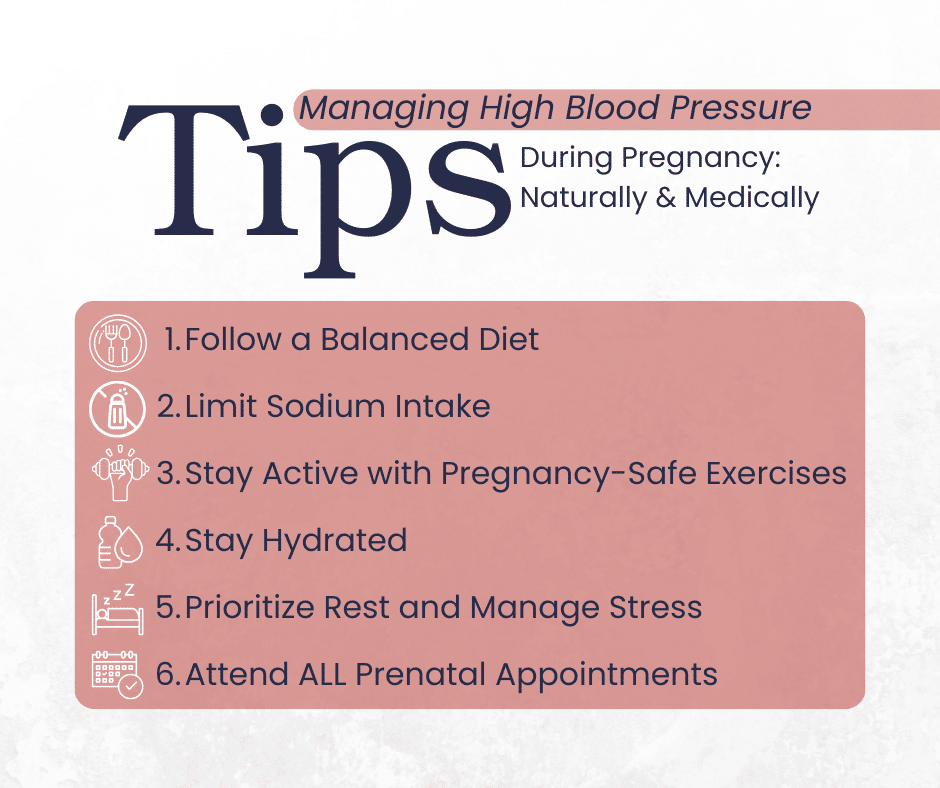
- Follow a balanced diet rich in fruits, vegetables, whole grains, and lean protein
- Limit sodium intake by reducing processed and packaged foods
- Stay active with pregnancy-safe exercises like walking, swimming, or prenatal yoga
- Stay hydrated by drinking plenty of water throughout the day
- Prioritize rest and manage stress through breathing exercises or gentle stretching
- Attend all prenatal appointments for regular monitoring
Medical Management
- Your provider may recommend blood pressure medications that are safe during pregnancy
- More frequent prenatal visits to track your health and your baby’s growth
- In severe cases, hospital monitoring or early delivery may be necessary to protect both mother and child
Why Early Action Matters
Untreated maternal hypertension can lead to serious complications like preeclampsia, preterm birth, low birth weight, and placental abruption. Prompt diagnosis and treatment significantly reduce these risks.
Bottom line: Maternal hypertension is a condition that deserves attention, but with awareness, healthy habits, and medical support, most women can have safe and healthy pregnancies.
Brazos Valley Regional Advisory Council (BVRAC) is committed to promoting maternal and infant health through education and community resources.
If you are pregnant or planning a pregnancy, speak with your healthcare provider about your risk for high blood pressure and how to manage it.