Presented by the Brazos Valley Regional Advisory Council (BVRAC)
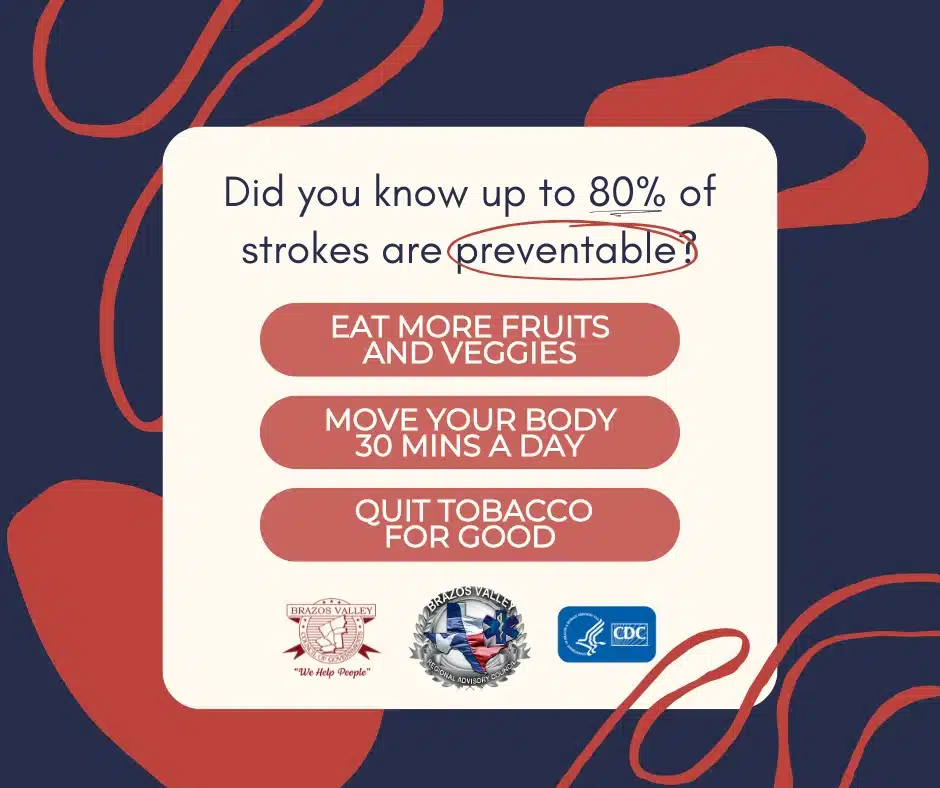
Each year, strokes impact nearly 800,000 people in the U.S. but the good news is, up to 80% of strokes are preventable with the right lifestyle choices. At BVRAC, we’re committed to strengthening the emergency care system across the Brazos Valley—and that includes empowering our community to take proactive steps toward better health.
Why Lifestyle Matters
While some risk factors like age or family history are unavoidable, many of the leading causes of stroke are linked to everyday choices, what we eat, how we move, and whether we use tobacco. Small changes today can dramatically reduce your risk in the future.
Eat with Your Heart in Mind
Your diet directly affects your risk for high blood pressure, high cholesterol, diabetes, and obesity—all of which are major stroke risk factors. As the American Stroke Association emphasizes, a diet that supports overall cardiovascular health is one of your best defenses.
What To Aim For:
- Choose healthy fats: Swap saturated fats for heart-friendly options like olive oil, avocado, and nuts.
- Limit sodium: Excess salt can raise blood pressure. Opt for herbs, citrus, and spices instead of the saltshaker.
- Focus on fiber: Whole grains, beans, and leafy greens support healthy cholesterol levels. These are rich in antioxidants and nutrients that support brain health.
Get Moving & Keep Moving
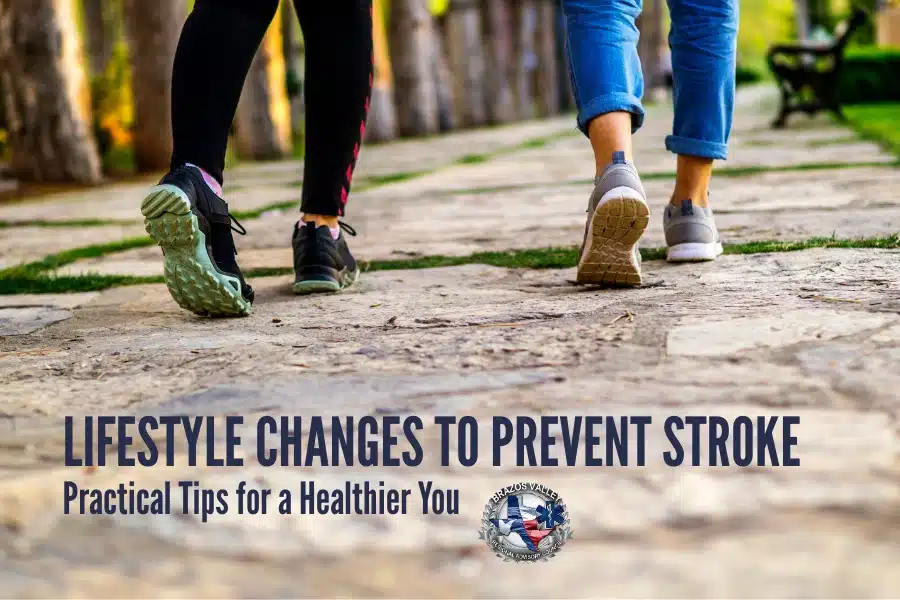
Physical activity helps control weight, reduces blood pressure, improves circulation, and boosts your mood. You don’t need to run marathons to see benefits; just 30 minutes of moderate activity on most days can lower stroke risk.
Tips to stay active:
- Take the stairs when possible
- Set a daily step goal, walk during breaks or after meals
- Try a new class—yoga, Pilates, or dancing. Use resistance bands while watching TV.
Movement is medicine, especially for the brain and heart.
Say Goodbye to Tobacco Use
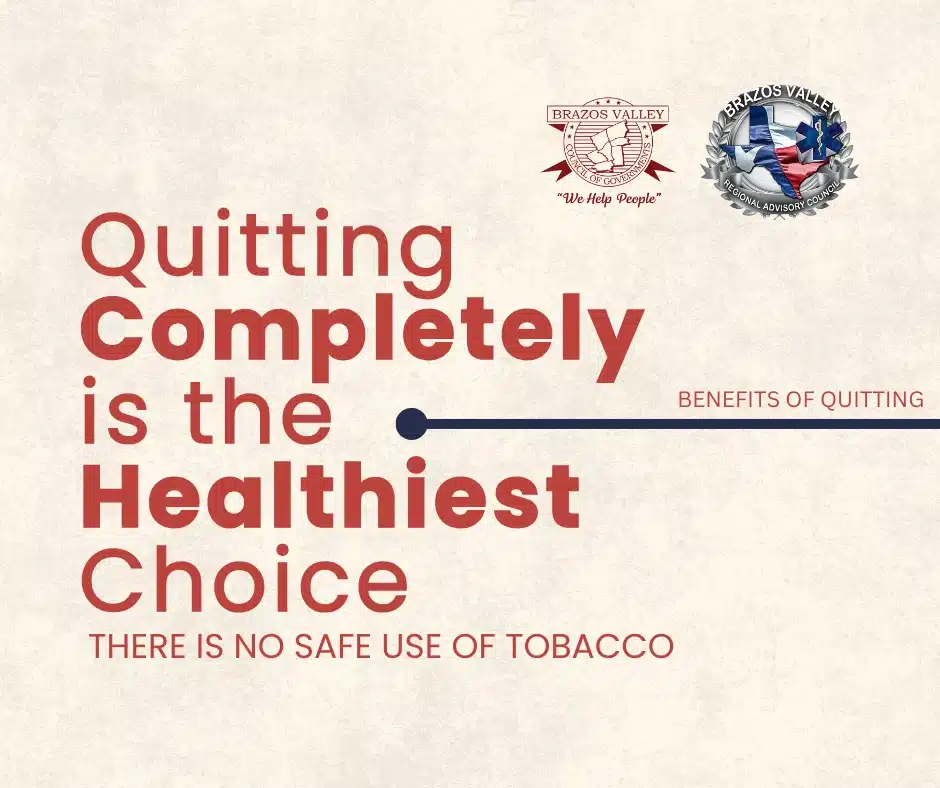
Using tobacco in any form—whether smoking, chewing, or vaping—doubles your risk of stroke. It damages blood vessels, increases blood pressure, and reduces the amount of oxygen that reaches your brain, which is incredibly dangerous for brain health.
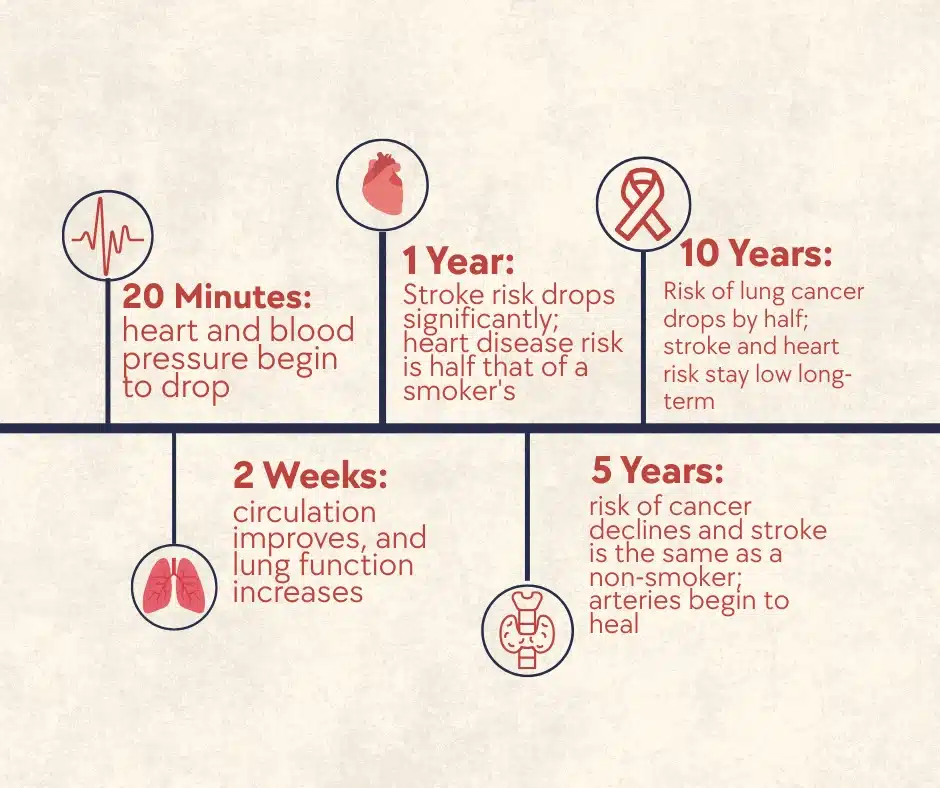
Quitting isn’t easy, but it’s one of the most impactful changes you can make. Within just a few weeks of stopping, your circulation improves. Within a year, your stroke risk drops significantly.
Helpful resources:
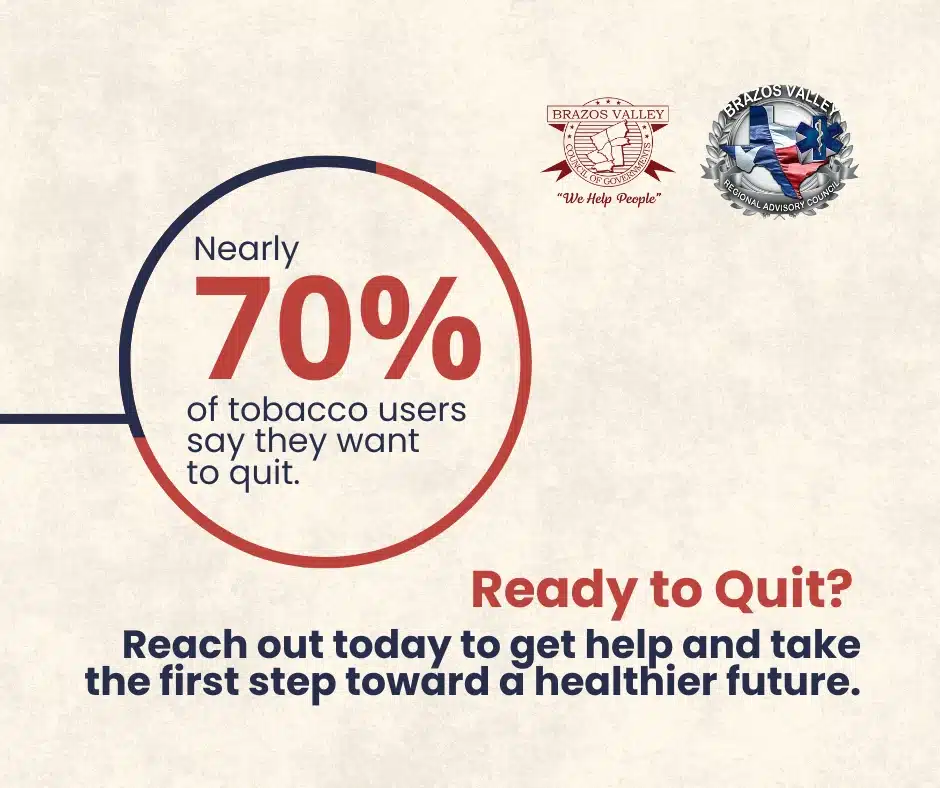
- Talk to your doctor about cessation aids, medications, or nicotine replacement therapy
- Seek support through quit lines, counseling, or support groups
- Replace the habit with healthier stress relievers like walking, journaling, or deep breathing
Watch Your Numbers
High blood pressure is the #1 cause of stroke. Managing your blood pressure, cholesterol, and blood sugar with regular checkups is vital. Your healthcare team can help you monitor these and recommend medication or changes as needed.
Ask your doctor about:
- Blood pressure goals (generally under 120/80)
- A1C levels if you’re diabetic or prediabetic
- Ways to manage stress, which can also raise your numbers
Beyond Stroke Prevention: The Bigger Picture
These lifestyle changes don’t just reduce your stroke risk, they elevate your entire quality of life. You’ll likely experience:
- Better sleep
- More energy
- Improved mood
- Long-term protection from other chronic illnesses like diabetes and heart disease
At BVRAC, we believe stroke prevention starts with education and continues with community support. By making healthier choices, you not only protect your brain, you strengthen the entire Brazos Valley.
Bottom Line:
Taking charge of your health today can help prevent a stroke tomorrow. Start with manageable goals, swap one snack for a fruit and go for a walk during lunch. Your heart, brain, and future self will thank you.
For more resources, visit stroke.org or speak with your healthcare provider about personal risk factors.