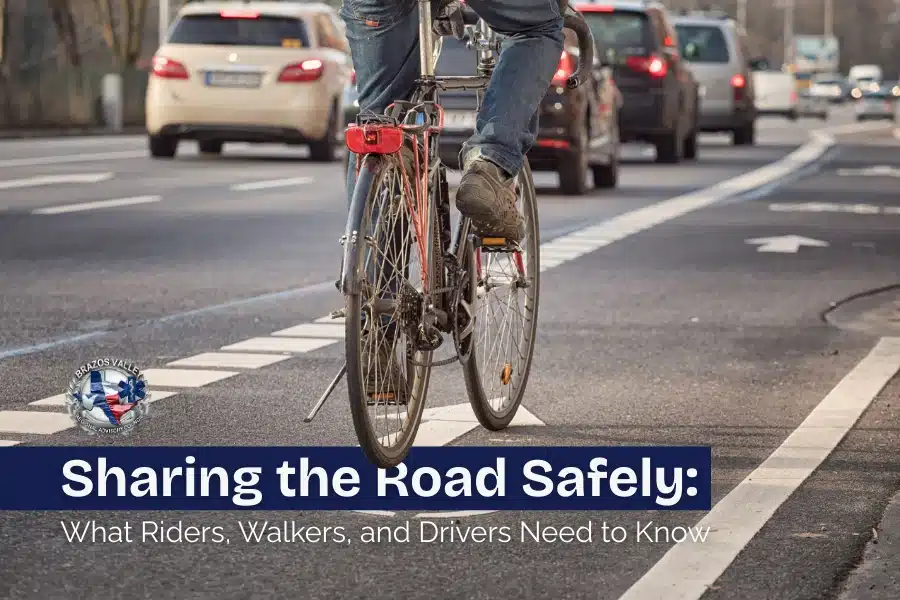
Roadways today are more shared than ever. In addition to vehicles, many streets now include pedestrians, cyclists, and electric scooter riders, all using the same spaces. While this shared use increases mobility and convenience, it also increases the potential for conflict, especially when people are unsure of how to safely navigate around one another.
Understanding how each group uses the road is an important step in preventing injuries and keeping communities safe.
A Changing Transportation Environment
Cities, campuses, and neighborhoods are experiencing a shift in how people move. More individuals are choosing:
- Walking
- Bicycling
- Electric scooters
- Public transportation
These options reduce traffic congestion and support healthier lifestyles, but they also mean drivers must share the road with more vulnerable users.
Unlike vehicles, pedestrians and riders have little protection in a collision. Even low-speed crashes can result in serious injuries.
What Drivers Need to Know
Drivers play a critical role in roadway safety because they operate the largest and fastest vehicles on the road.
Safe driving behaviors include:
- Yielding to pedestrians at crosswalks
- Checking blind spots before turning or changing lanes
- Giving cyclists at least three feet of space when passing
- Slowing down in areas with heavy foot traffic
- Avoiding distractions such as texting or using a phone
Many pedestrian and cyclist crashes occur when vehicles are turning at intersections. Drivers should always check for walkers and riders before completing a turn.
What Riders Need to Know
Whether riding a bicycle or an electric scooter, riders should follow many of the same traffic rules as vehicles.
Important safety practices include:
- Riding in the direction of traffic
- Using bike lanes when available
- Obeying traffic signals and stop signs
- Wearing a properly fitted helmet
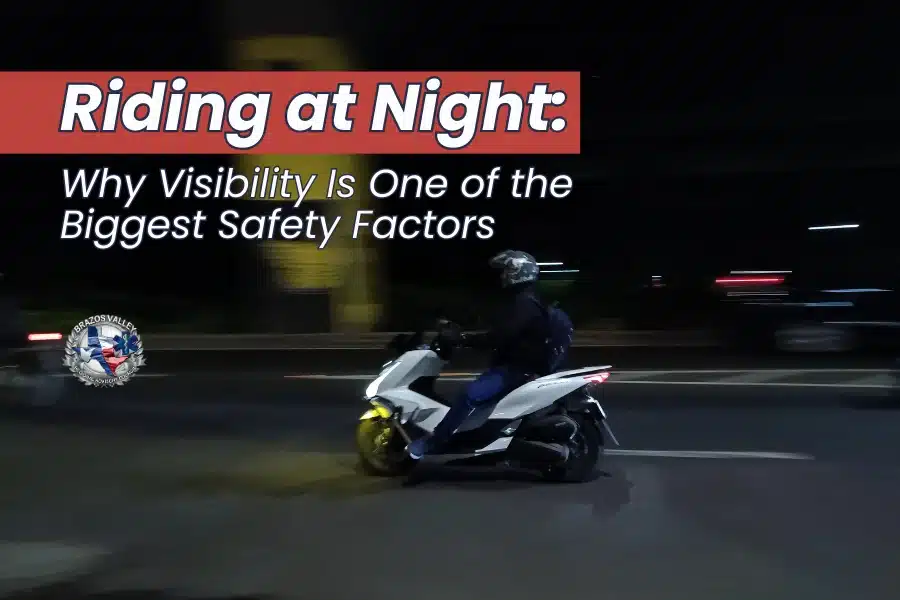
- Using lights or reflective gear at night
- Avoiding distractions such as phones or headphones
Riders should also stay predictable and avoid weaving between vehicles or pedestrians.
What Pedestrians Need to Know
Pedestrians are among the most vulnerable road users. Staying alert and visible is key to reducing risk.
Safety tips for pedestrians include:
- Using marked crosswalks whenever possible
- Following pedestrian signals at intersections
- Avoiding phone use while crossing streets
- Making eye contact with drivers before stepping into traffic
- Wearing reflective or bright clothing at night
Even when pedestrians have the right of way, awareness remains critical.
Visibility and Awareness Matter
Many roadway incidents happen because someone simply didn’t see another person.
Factors that reduce visibility include:
- Poor lighting
- Dark clothing
- Large vehicles blocking sightlines
- Distractions such as phones
- High traffic congestion
Drivers, riders, and pedestrians should all take steps to increase visibility and stay alert in busy areas.
The Role of Speed
Speed greatly increases the severity of injuries during a crash. Slower speeds provide:
- More reaction time
- Shorter stopping distances
- Reduced impact force
In areas with heavy pedestrian or rider activity, such as downtown districts or college campuses, slowing down can make a significant difference in preventing injuries.
Creating a Culture of Shared Responsibility
Road safety is not the responsibility of one group alone. Preventing injuries requires cooperation between drivers, riders, and pedestrians.
When everyone understands their role and follows basic safety practices, communities become safer for everyone.
Respect, patience, and awareness go a long way toward preventing accidents.
BVRAC and Injury Prevention in the Brazos Valley
In the Brazos Valley, BVRAC works to strengthen trauma systems and promote injury prevention across the region. Through education, community outreach, and partnerships with healthcare providers and emergency responders, BVRAC helps raise awareness about preventable injuries.
As transportation patterns evolve and shared roadways become more common, community education plays an important role in keeping residents safe.
Roadways are shared spaces. Drivers, riders, and pedestrians all depend on one another to make safe choices.
A moment of patience, a quick glance before turning, or a decision to stay alert can prevent a serious injury.
When everyone understands how to share the road responsibly, we create safer communities, one decision at a time.