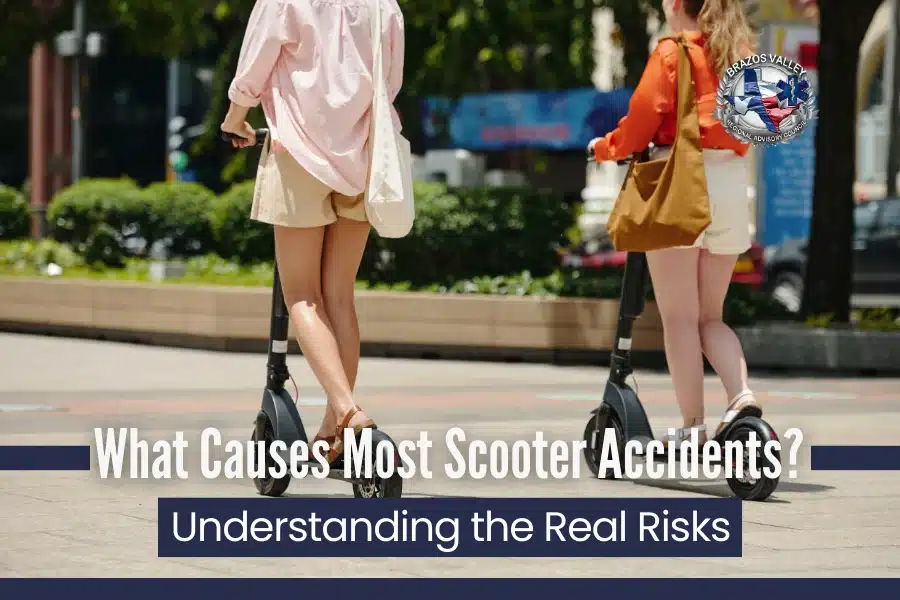
Electric scooters have become a popular way to travel short distances, especially in cities and on college campuses. They’re quick, convenient, and easy to access, making them a go-to option for getting across campus or around town.
However, as scooter use increases, so do accidents and injuries. Understanding what causes most scooter crashes can help riders, pedestrians, and drivers make safer decisions and prevent serious injuries.
Speed and Loss of Control
Electric scooters may look small, but they can reach speeds of 15–20 mph. At that speed, even a small obstacle can cause a rider to lose control.
Common situations include:
- Hitting uneven pavement
- Sudden braking
- Turning too quickly
- Riding downhill
- Losing balance while accelerating
Unlike bicycles, scooters have smaller wheels and a higher center of gravity, which makes them more sensitive to bumps and sudden movements.
Distracted Riding
Just like distracted driving, distracted riding can significantly increase the risk of an accident.
Scooter riders may become distracted by:
- Using a phone while riding
- Wearing headphones at high volume
- Navigating directions on a screen
- Looking behind them while moving
Taking attention off the road for even a few seconds can make it difficult to react to obstacles, pedestrians, or traffic.
Riding in Crowded Areas
Scooters are often used on busy sidewalks, campuses, and shared pathways. In these environments, riders may encounter:
- Large groups of pedestrians
- Cyclists sharing the same path
- People suddenly stepping into walkways
- Limited space to maneuver
When scooters travel faster than pedestrian walking speed, the chance of collisions increases.
Poor Visibility
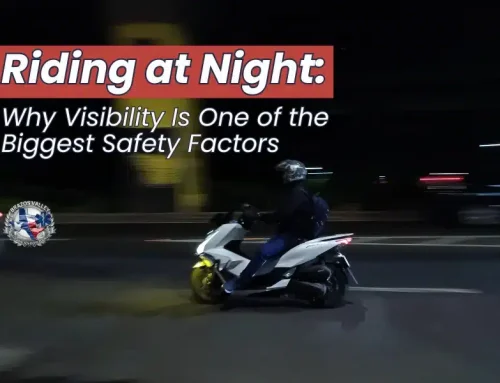
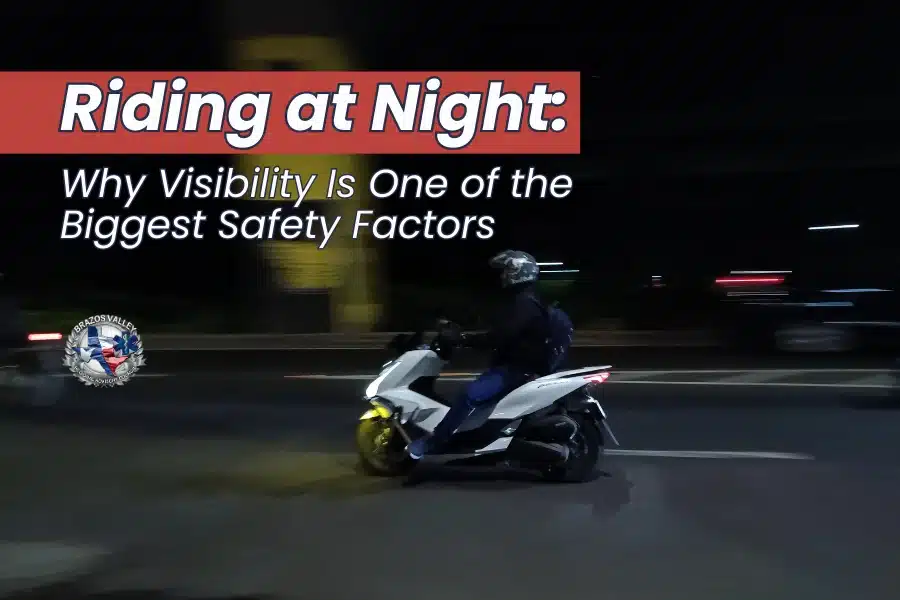
Many scooter accidents happen at night or in low-light conditions. Visibility can be reduced due to:
- Dark clothing
- Poor street lighting
- Drivers not expecting scooters in the roadway
- Riders without lights or reflective gear
When drivers and pedestrians cannot easily see scooter riders, reaction time decreases, increasing the risk of crashes.
Lack of Helmet Use
One of the most concerning factors in scooter accidents is the low rate of helmet use.
Many riders treat scooters as casual transportation rather than vehicles that require protective gear. However, head injuries are among the most common and severe outcomes of scooter crashes.
A properly fitted helmet can significantly reduce the risk of traumatic brain injury during a fall or collision.
Road Conditions
Scooters are particularly vulnerable to surface hazards such as:
- Potholes
- Gravel or sand
- Wet pavement
- Cracked sidewalks
- Debris in the road
Because scooters have small wheels, even minor road imperfections can cause a rider to lose balance.
Inexperience
Many people ride electric scooters without prior experience. First-time riders may struggle with:
- Balancing at higher speeds
- Braking smoothly
- Navigating traffic
- Avoiding sudden obstacles
Without practice, riders may underestimate how quickly situations can change on busy streets or campuses.
Preventing Scooter Accidents
While scooters carry risks, many injuries are preventable with safer riding habits.
Simple safety steps include:
✔ Wear a helmet
✔ Slow down in crowded areas
✔ Avoid riding distracted
✔ Use bike lanes when available
✔ Watch for uneven pavement
✔ Increase visibility at night
✔ Follow traffic laws
These small decisions can significantly reduce the likelihood of serious injuries.
BVRAC and Injury Prevention in the Brazos Valley
In the Brazos Valley, BVRAC supports injury prevention through community education, partnerships with healthcare providers, and collaboration with emergency responders. As micro-mobility options like electric scooters become more common, raising awareness about safety risks is increasingly important.
By promoting safe behaviors and injury prevention strategies, BVRAC helps protect individuals and communities across the region.