Electric scooters have quickly become part of everyday campus life. They’re fast, affordable, and convenient, making it easy for students to get from dorms to lecture halls in minutes.
But as scooter use increases, so do injuries. What was introduced as a simple transportation solution now presents new safety challenges for campuses nationwide.
The question isn’t whether scooters are useful; it’s how to balance convenience with safety.
The Appeal: Why Students Choose Scooters
Electric scooters offer several advantages:
- Quick transportation across large campuses
- Affordable ride-share options
- Reduced reliance on cars
- Easier parking compared to bikes
- A time-saving solution between classes
For busy students juggling classes, work, and extracurriculars, scooters can feel like the perfect answer.
But speed and accessibility also introduce risk.
The Risk: What Injury Data Is Showing
Across college campuses, common scooter-related injuries include:
- Concussions and traumatic brain injuries
- Facial fractures
- Broken wrists and arms
- Road rash and lacerations
- Dental injuries
Many of these injuries occur because riders:
- Do not wear helmets
- Travel at high speeds
- Ride on crowded sidewalks
- Use phones while riding
- Carry passengers (two riders on one scooter)
Electric scooters can reach speeds of 15–20 mph. A fall at that speed onto pavement can result in serious head trauma.
Pedestrians Are Also Affected
Scooter injuries aren’t limited to riders.
On high-traffic campuses, pedestrians face risk when:
- Scooters weave through crowds
- Riders fail to yield at crosswalks
- Scooters are parked in walking paths
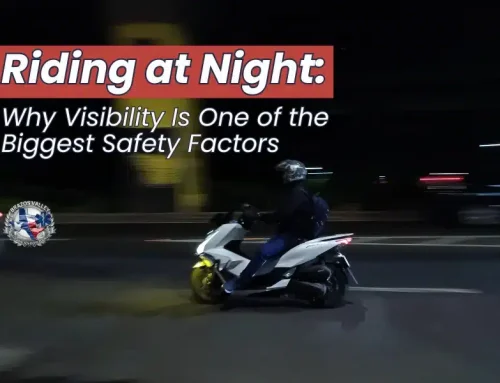
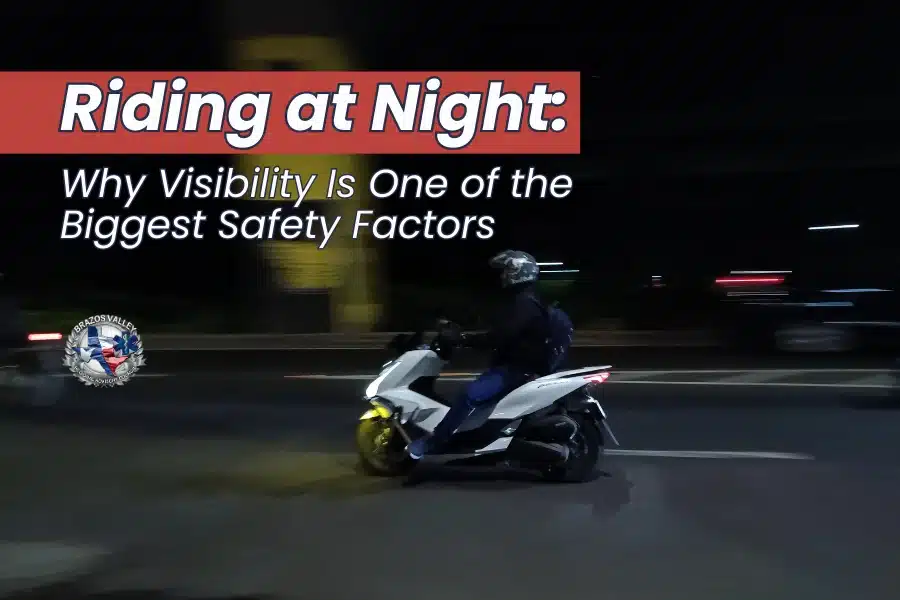
- Visibility is limited at night
With thousands of students moving between classes at the same time, congestion increases the likelihood of collisions.
Helmets: The Overlooked Protection
One of the most concerning trends in scooter injuries is low helmet use.
Many students view scooters as casual transportation rather than vehicles requiring protective gear. However, head injuries are among the most severe outcomes of scooter crashes.
Wearing a properly fitted helmet significantly reduces the risk of traumatic brain injury. It is one of the simplest and most effective prevention strategies available.
Environmental Factors That Increase Risk
Certain campus conditions can make scooter use more dangerous:
- Narrow sidewalks
- Limited bike lanes
- Poor lighting at night
- Wet pavement
- Heavy foot traffic between classes
- Social events involving alcohol
When speed, distraction, and congestion combine, injury risk increases dramatically.
Finding the Balance: Convenience + Responsibility
Electric scooters aren’t going away. In fact, micro-mobility is likely to continue growing.
The solution isn’t eliminating scooters, it’s promoting safer habits:
✔ Wear a helmet
✔ Slow down in crowded areas
✔ Use bike lanes when available
✔ Avoid riding distracted
✔ Yield to pedestrians
✔ Follow campus regulations
✔ Increase visibility at night
Small behavior changes can prevent serious injuries.
BVRAC and Injury Prevention in the Brazos Valley
In the Brazos Valley, BVRAC plays a critical role in strengthening trauma systems and promoting injury prevention across the region. As transportation trends evolve, including increased scooter use, public education becomes essential.
Through outreach, preparedness initiatives, and collaboration with healthcare and emergency response partners, BVRAC works to reduce preventable injuries and improve outcomes when trauma does occur.