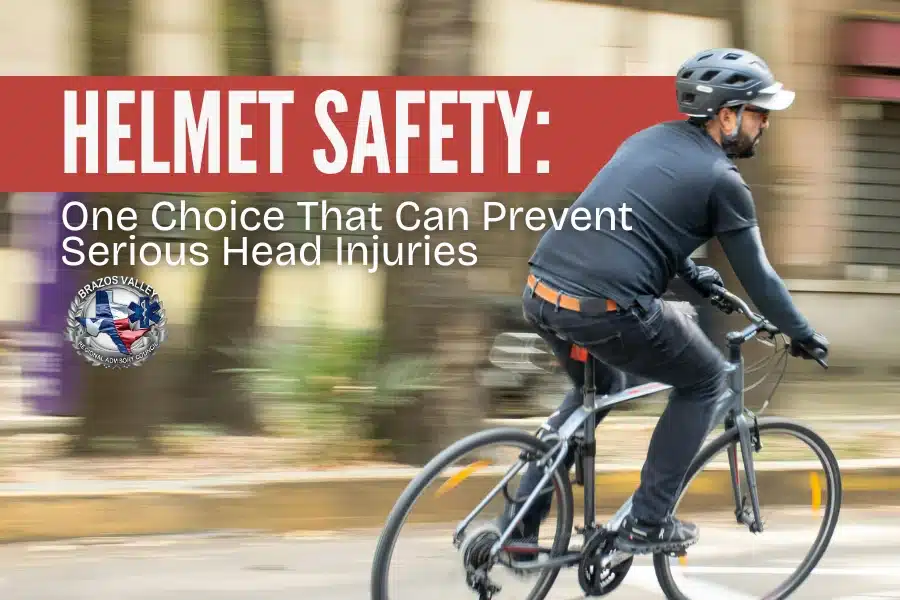
A helmet might seem like a small piece of equipment, but it can make a life-saving difference.
Whether you’re riding a bike, playing sports, or operating a motorcycle, wearing a helmet is one of the simplest and most effective ways to prevent serious head injuries. In a split second, an accident can change everything. The right protection can mean the difference between a minor injury and a life-altering traumatic brain injury (TBI).
Why Helmet Safety Matters
Head injuries are among the most serious and unpredictable injuries. A strong impact can cause:
- Concussions
- Skull fractures
- Brain swelling or bleeding
- Long-term cognitive impairment
- Permanent disability
- Death
Traumatic brain injuries don’t just affect memory or thinking. They can impact personality, mood, balance, speech, and overall quality of life.
The encouraging news? Helmets significantly reduce the risk of severe head injury when worn correctly.
Who Should Wear a Helmet?
Helmet use is critical for people of all ages during activities such as:
- 🚴 Bicycling
- 🏍️ Motorcycling
- 🛴 Scooters & skateboarding
- 🛼 Rollerblading
- 🏈 Contact sports
- ⚾ Baseball/softball (batting helmets)
- 🛺 ATV or dirt bike riding
If it has wheels, you should wear a helmet. Children and teens are especially vulnerable due to developing brains and a higher likelihood of falls or collisions. However, adults are equally at risk and should model safe behavior every time.
How Helmets Protect the Brain
Helmets are designed to:
- Absorb the force of impact
- Reduce the amount of energy transferred to the skull and brain
- Prevent direct skull fractures
- Distribute force across a larger surface area
Even at low speeds, head injuries can occur. Wearing a helmet dramatically improves your odds of walking away safely.
A Helmet Only Works If It’s Worn Correctly
A helmet that is loose, tilted back, or unbuckled won’t provide full protection.
Follow these simple safety tips:
✔ Choose the right helmet for the activity
Not all helmets are the same. Bike helmets, football helmets, and motorcycle helmets are built differently.
✔ Make sure it fits properly
- It should sit level on your head.
- It should cover your forehead.
- The straps should form a “V” around each ear.
- It should be snug but comfortable.
✔ Replace after a crash
If a helmet has absorbed an impact, it should be replaced — even if it looks fine on the outside.
✔ Check for certification labels
Look for safety certification from recognized standards organizations.
Addressing Common Myths
“I’m just going a short distance.”
Many accidents happen close to home.
“I’m experienced, I don’t need one.”
Even skilled riders and athletes can’t control other drivers, road conditions, or unexpected hazards.
“Helmets are uncomfortable.”
Modern helmets are lightweight, ventilated, and designed for comfort and performance.
One Simple Decision
Injury prevention often comes down to everyday choices. Wearing a helmet may only take a few seconds but it can protect your brain for a lifetime. Encourage your family, friends, and community to make helmet use automatic. Model safe behavior. Talk about it. Normalize it.
Because protecting your head protects your future.
BVRAC and Injury Prevention in the Brazos Valley
Here in the Brazos Valley, BVRAC plays an important role in strengthening injury prevention efforts across our region. Through public education, professional training, and collaboration with emergency responders, schools, and healthcare partners, BVRAC works to reduce preventable injuries before they happen.
From promoting helmet safety and safe driving habits to supporting trauma system preparedness, these efforts help protect individuals and families across our communities. Prevention is not just about awareness; it’s about building safer environments and encouraging everyday choices that save lives.
Final Thoughts
Head injuries can happen in seconds but prevention starts with one simple decision. Wearing a helmet is a small action that carries lifelong impact.
Talk to your children. Model safe behavior. Encourage friends and teammates. Normalize helmet use for every ride, every game, every time.
Protecting your brain means protecting your future.
Want to learn more about injury prevention and trauma safety in the Brazos Valley? Visit BVRAC’s website for resources, education materials, and community initiatives designed to keep our region safe.