Whether you’re walking across a college campus, through a downtown district, or along a busy roadway, pedestrian safety is more important than ever. As traffic volume increases and distractions multiply, staying alert and visible can significantly reduce your risk of injury.
In high-traffic areas, safety isn’t automatic. It requires awareness, visibility, and smart decision-making.
Why Pedestrian Injuries Are Increasing
Several factors contribute to rising pedestrian injuries nationwide:
- Increased vehicle traffic
- Larger vehicles with reduced front visibility
- Distracted driving
- Distracted walking
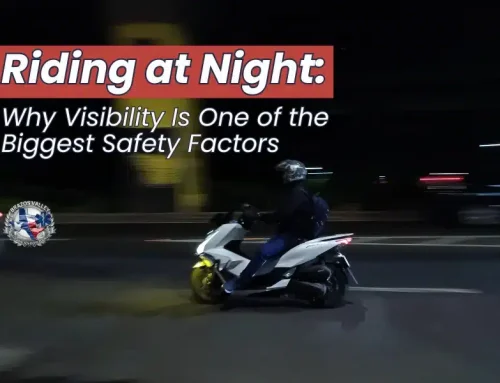
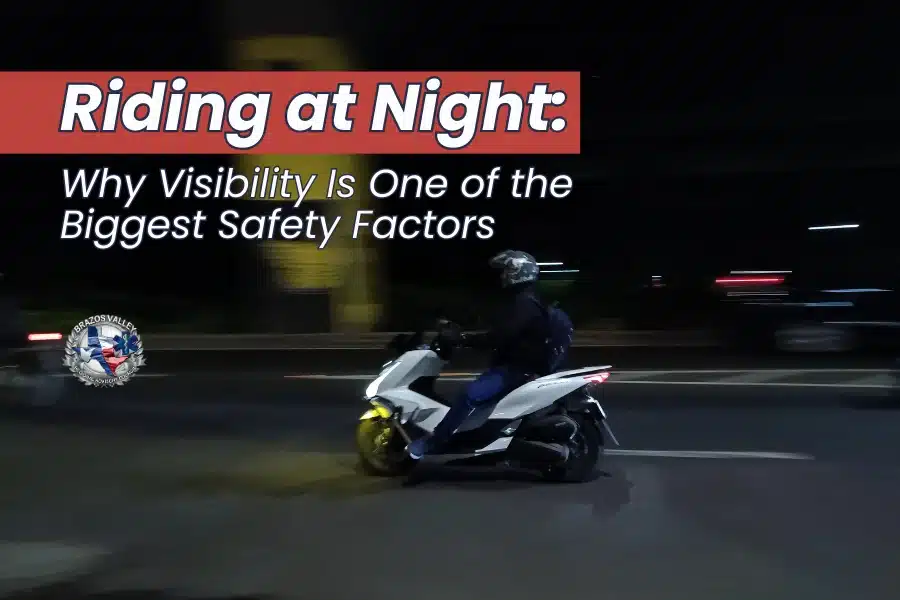
- Limited lighting at night
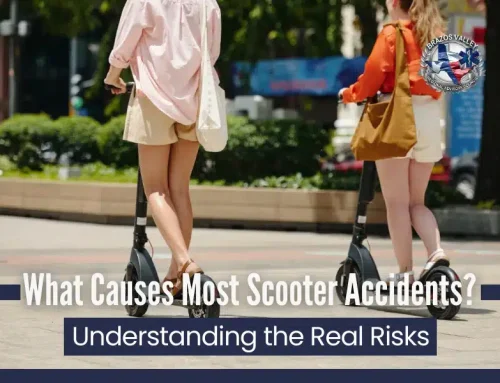
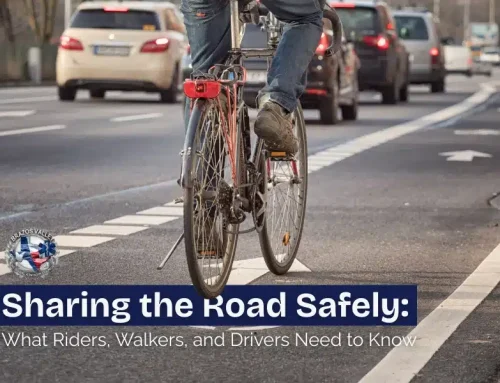
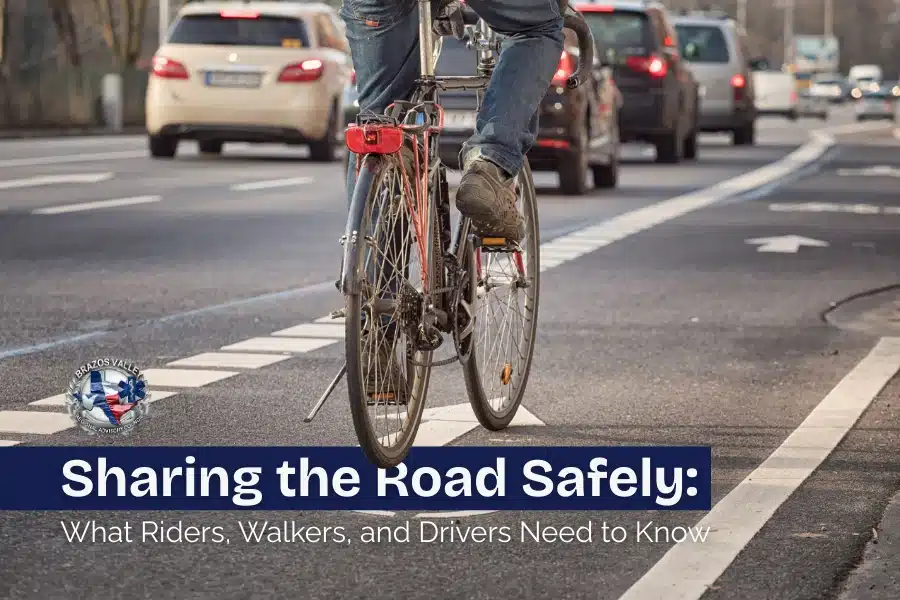
- Shared spaces with bikes and scooters
In dense areas like college campuses and urban centers, vehicles, scooters, cyclists, and pedestrians often share the same space, creating more opportunities for conflict.
The Power of Staying Alert
Distraction is one of the leading risk factors for pedestrian injuries.
When walking in high-traffic areas:
- Avoid looking down at your phone while crossing
- Remove headphones or lower the volume
- Make eye contact with drivers before stepping into a crosswalk
- Pause and scan left-right-left before crossing
Even if you have the right of way, never assume a driver sees you. Defensive walking is just as important as defensive driving.
Visibility Saves Lives
Being seen can be just as important as being careful.
During the Day:
- Wear bright or contrasting clothing
- Use marked crosswalks
- Avoid stepping out from between parked vehicles
At Night:
- Wear reflective or light-colored clothing
- Use a flashlight or phone light when walking in poorly lit areas
- Choose well-lit routes whenever possible
Drivers have significantly reduced visibility at night, especially in areas with glare, shadows, or poor street lighting.
Crossing Safely in High-Traffic Zones
In busy intersections and roadways:
- Use pedestrian signals and obey traffic lights
- Wait for the “Walk” signal before crossing
- Avoid running across streets
- Stay within crosswalk markings
- Watch for turning vehicles
Many pedestrian injuries occur when vehicles are turning, drivers may focus on oncoming traffic and fail to see someone crossing.
Shared Roadways: Scooters and Bikes
In areas with electric scooters and bicycles:
- Stay predictable, avoid sudden direction changes
- Walk on the correct side of shared paths
- Stay aware of approaching riders
- Avoid walking in designated bike lanes
Clear movement patterns reduce confusion and decrease the chance of collisions.
Alcohol and Fatigue: Hidden Risk Factors
Even as a pedestrian, impairment increases injury risk. Alcohol, fatigue, and reduced reaction time can affect:
- Judgment
- Awareness
- Balance
- Decision-making
Late-night hours often see higher pedestrian injury rates due to reduced visibility and increased impairment, particularly in college and entertainment districts.
Simple Steps That Make a Big Difference
Pedestrian safety doesn’t require complex equipment, just mindful habits:
✔ Stay alert
✔ Stay visible
✔ Follow traffic signals
✔ Use designated crossings
✔ Make eye contact with drivers
✔ Avoid distractions
A few extra seconds of caution can prevent serious injury.
BVRAC and Injury Prevention in the Brazos Valley
In the Brazos Valley, BVRAC works to strengthen trauma systems and promote injury prevention across our region. Through public education, community outreach, and collaboration with emergency responders, BVRAC supports efforts that help reduce preventable pedestrian injuries.