Pregnancy is a journey filled with exciting milestones, preparation, and countless choices. Among the most important decisions expecting mothers make each day is what goes on their plate, and in their bodies. Proper nutrition during pregnancy isn’t about eating for two in terms of quantity as much as it’s about making every bite count for your baby’s health and development.
A balanced, nutrient-rich diet supports your body’s changing needs, reduces the risk of pregnancy complications, and provides the nutrients needed for your baby’s growth. The Brazos Valley Regional Advisory Council (BVRAC) encourages expecting mothers and families across our region to understand the key nutrients necessary for a healthy pregnancy and how to build a nourishing daily meal plan.
Key Nutrients for Expecting Mothers and Developing Babies
During pregnancy, your body’s demand for specific vitamins and minerals increases significantly. While a daily prenatal vitamin can help fill nutritional gaps, getting nutrients directly from your food is best for overall health benefits for you and your baby.
The nutrients expecting mothers should prioritize:
- Folic Acid (Folate): Most important during early pregnancy, folate helps prevent major birth defects of the baby’s brain and spine (neural tube defects).
- Sources: Leafy green vegetables, fortified cereals, beans, lentils, and citrus fruits.
- Iron: Your body uses iron to make extra blood to supply oxygen to your baby. Adequate iron intake helps prevent maternal anemia, low birth weight, and premature delivery.
- Sources: Lean red meat, poultry, fish, spinach, beans, and iron-fortified cereals.
- Calcium: Essential for building strong bones and teeth for your baby, calcium also keeps your own bone density intact and supports circulatory and muscle health.
- Sources: Milk, yogurt, cheese, fortified plant-based milks, and dark leafy greens.
- DHA & Omega-3 Fatty Acids: These healthy fats play important roles in the brain and vision development of your baby.
- Sources: Low-mercury fish (such as salmon), chia seeds, flaxseeds, and walnuts.
- Protein: Protein supports the growth of fetal tissue, including the brain, as well as the expansion of uterine and breast tissue for the mother.
- Sources: Eggs, poultry, lean meats, tofu, beans, nuts, and Greek yogurt.
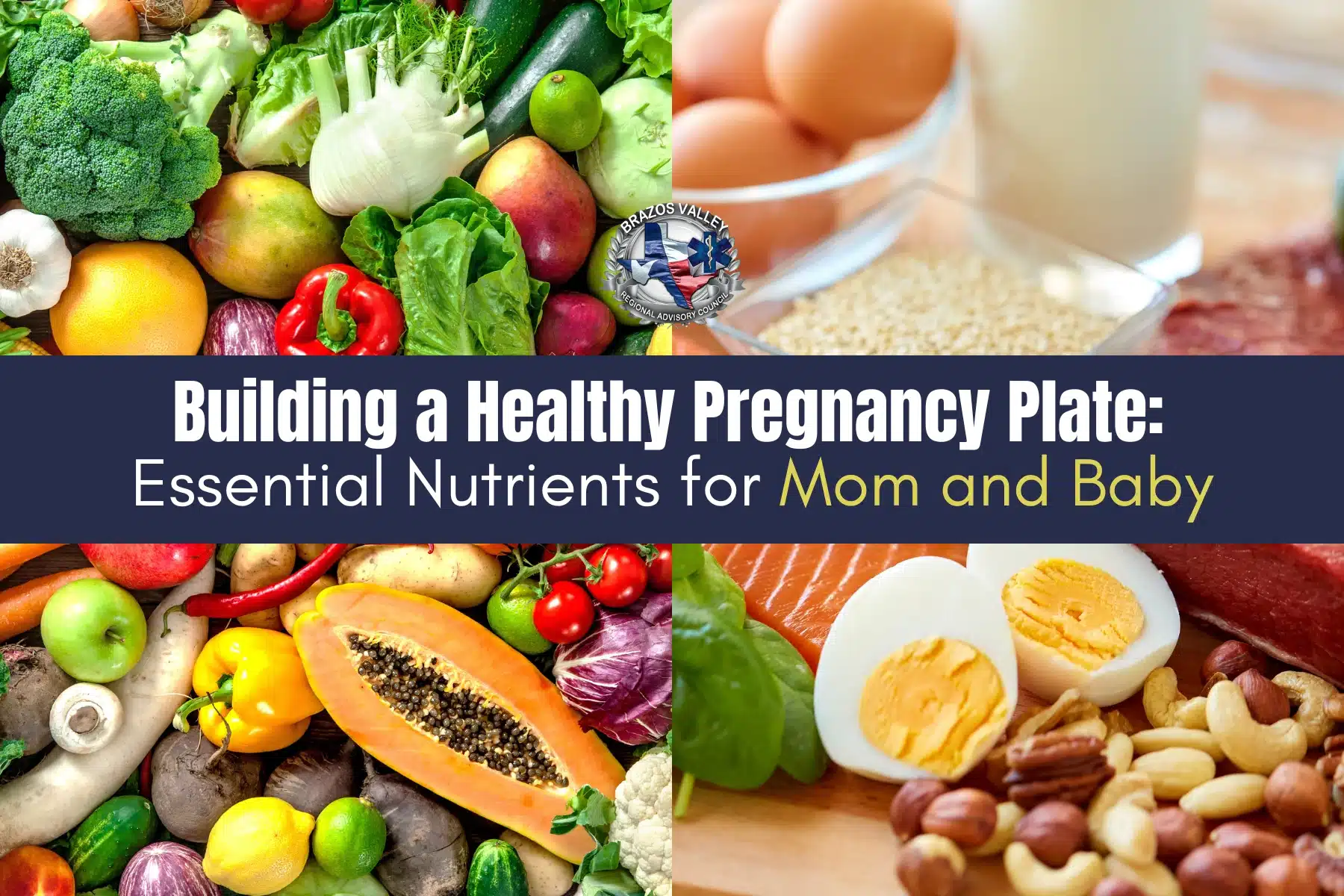
How to Build a Balanced Pregnancy Plate
Visualizing your plate at mealtime is a simple way to ensure you are getting a well-rounded mix of nutrients without counting calories. Try using this guide when planning your meals:
- Half Your Plate – Fruits and Vegetables: Aim for a colorful variety to maximize your intake of vitamins, minerals, and fiber (which helps prevent common pregnancy constipation).
- One-Quarter of Your Plate – Whole Grains: Choose complex carbohydrates like brown rice, quinoa, whole-wheat bread, or oats for sustained energy throughout the day.
- One-Quarter of Your Plate – Lean Protein: Include high-quality protein sources like grilled chicken, salmon, eggs, beans, or lentils at every meal.
- On the Side – Healthy Fats & Dairy: Incorporate small portions of avocados, olive oil, nuts, or a serving of pasteurized dairy/dairy alternatives.
Important Food Safety Guidelines During Pregnancy
Building a healthy plate also means keeping food safety top of mind. Hormonal changes during pregnancy lower your immune system, making both you and the baby more vulnerable to foodborne illnesses.
To protect yourself and your baby:
- Avoid unpasteurized dairy and juices: Check labels to ensure milk, cheese, and juices are pasteurized.
- Cook meats thoroughly: Use a food thermometer to ensure meats, poultry, and seafood reach safe internal temperatures.
- No raw or undercooked foods: Avoid raw sushi, unpasteurized soft cheeses (like feta, brie, or queso fresco unless labeled pasteurized), deli meats (unless heated until steaming hot), and raw eggs.
- Choose low-mercury seafood: Limit fish intake to 8–12 ounces per week of low-mercury options like salmon, canned light tuna, or shrimp. Avoid high-mercury fish like swordfish and mackerel.
Tips for Managing Common Pregnancy Eating Challenges
Morning sickness, food aversions, heartburn, and fatigue can sometimes make healthy eating more difficult, so if you’re struggling to keep meals down or maintain an appetite:
- Eat 5 to 6 small meals throughout the day to help prevent nausea and ease heartburn.
- Bland snacks like crackers, dry toast, or almonds can help settle an upset stomach before you get out of bed.
- Stay hydrated by sipping water, herbal teas, or broths throughout the day rather than drinking large amounts during meals to avoid feeling too full.
Empowering Maternal Health Across the Brazos Valley
Good nutrition is one of the most powerful tools available for promoting a smooth pregnancy and giving your baby a strong, healthy start in life.
At BVRAC, we are dedicated to advancing community health, emergency care infrastructure, and maternal education throughout our region. We believe that informed families create healthier communities.
Take Action for Your Family’s Health: Have a conversation with your OB-GYN, midwife, or a registered dietitian at your next prenatal visit to discuss your specific dietary needs. Building a healthy plate today lays the foundation for your baby’s healthy tomorrow.