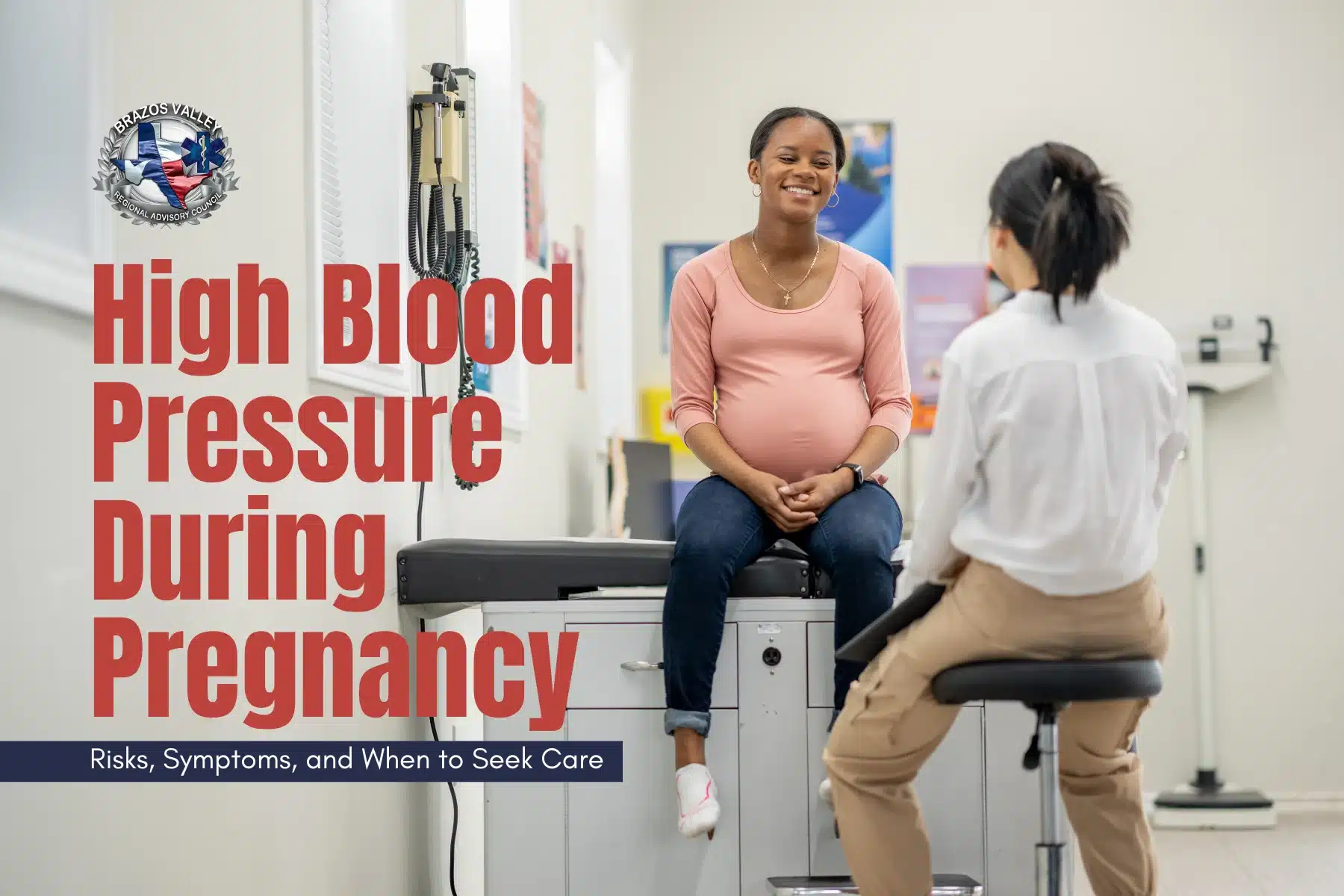
Expecting a baby brings excitement, planning, and… a long list of health topics to keep in mind. One critical aspect of prenatal care that deserves special attention is blood pressure. High blood pressure during pregnancy is relatively common, but if left unmanaged, it can pose serious risks to both mother and baby.
Understanding the warning signs, knowing the different types of pregnancy-related hypertension, and recognizing when to seek medical help are essential steps toward a healthy delivery. BVRAC encourages expecting mothers and families throughout the Brazos Valley to stay informed about cardiovascular health during pregnancy, and get care as they need it.
Understanding High Blood Pressure in Pregnancy
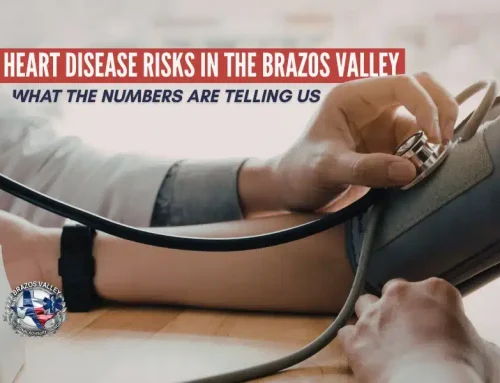
Blood pressure measures the force of blood pushing against the walls of your arteries. During pregnancy, the female body undergoes significant circulatory changes, increasing blood volume and forcing the heart to work much harder than typical.
Healthcare providers generally categorize high blood pressure during pregnancy into three main types:
- Chronic Hypertension: High blood pressure present before pregnancy or before the 20th week of pregnancy.
- Gestational Hypertension: High blood pressure that develops after 20 weeks of pregnancy and typically resolves after delivery.
- Preeclampsia: A very serious, potentially life-threatening condition marked by high blood pressure and signs of damage to other organ systems (most often the liver and kidneys) after 20 weeks of pregnancy.
Because conditions like gestational hypertension and preeclampsia can pop up quickly, regular prenatal blood pressure screenings are vital.
Risks of Untreated High Blood Pressure
When blood pressure remains elevated during pregnancy, it can affect blood flow to the placenta, limiting the supply of oxygen and essential nutrients to a developing baby.
Potential complications for the baby include:
- Slowed fetal growth
- Low birth weight
- Premature birth
- Placental abruption (the placenta separating from the uterine wall before delivery)
For mothers, severe or unmanaged high blood pressure increases the risk of preeclampsia, stroke, organ damage, and future cardiovascular disease. Fortunately, early detection and consistent monitoring significantly lowers the risks.
Warning Signs and Symptoms to Watch For
Many cases of mild gestational hypertension produce no obvious symptoms at all, which is why regular prenatal appointments are so crucial. However, as blood pressure rises or if preeclampsia develops, symptoms may become noticeable.
Contact your healthcare provider immediately if you experience:
- Persistent, severe headaches that do not go away with simple relief measures
- Changes in vision, such as blurred vision, seeing spots, or light sensitivity
- Upper abdominal pain, particularly under the ribs on the right side
- Sudden weight gain (such as gaining 2 to 5 pounds in a single week)
- Significant swelling in the face, hands, or around the eyes (beyond typical foot and ankle swelling)
- Shortness of breath or trouble breathing
- Nausea or vomiting during the second half of pregnancy
Never ignore these signs or assume they are typical pregnancy discomforts.
Tips for Managing Blood Pressure During Pregnancy
While some risk factors for hypertension cannot be changed, taking proactive steps during pregnancy can help support overall cardiovascular health:
- Attend every prenatal visit: Blood pressure checks and urine tests at routine checkups are your first line of defense.
- Take medications as prescribed: If your doctor prescribes blood pressure medication, take it strictly as directed. Do not stop or start any medication without medical guidance.
- Stay active safely: Engage in light to moderate exercise, such as walking or prenatal swimming, as approved by your OB-GYN or midwife.
- Eat a heart-healthy diet: Focus on nutrient-rich foods, limit excessive sodium, and stay well-hydrated.
- Monitor at home if advised: If recommended by your doctor, track your blood pressure at home between visits and keep a log of your readings.
When to Seek Emergency Medical Care
Some symptoms require immediate emergency evaluation. Call 911 or go straight to the nearest emergency room if you experience:
- Sudden, severe chest pain or extreme shortness of breath
- Seizures or sudden loss of consciousness
- Severe, unremitting upper abdominal pain
- Sudden, drastic changes in vision or total loss of vision
- Signs of labor before 37 weeks combined with high blood pressure
If you are unsure whether your symptoms are serious, err on the side of caution and call your OB-GYN, midwife, or local triage line without waiting.
Prioritizing Maternal Health in the Brazos Valley
A healthy pregnancy begins with clear communication, consistent monitoring, and proactive education. By recognizing the risks of high blood pressure and knowing when to act, expecting parents can protect both their health and the health of their growing baby.
At the Brazos Valley Regional Advisory Council (BVRAC), our mission is to strengthen emergency medical systems, trauma care, and public health education throughout our region. We believe every mother and child in the Brazos Valley deserves access to timely, high-quality emergency and maternal care.
Take action for a healthy pregnancy: talk to your healthcare provider about your blood pressure numbers at your next prenatal visit, and make sure your loved ones know the emergency warning signs of preeclampsia. Healthy beginnings start with informed care.