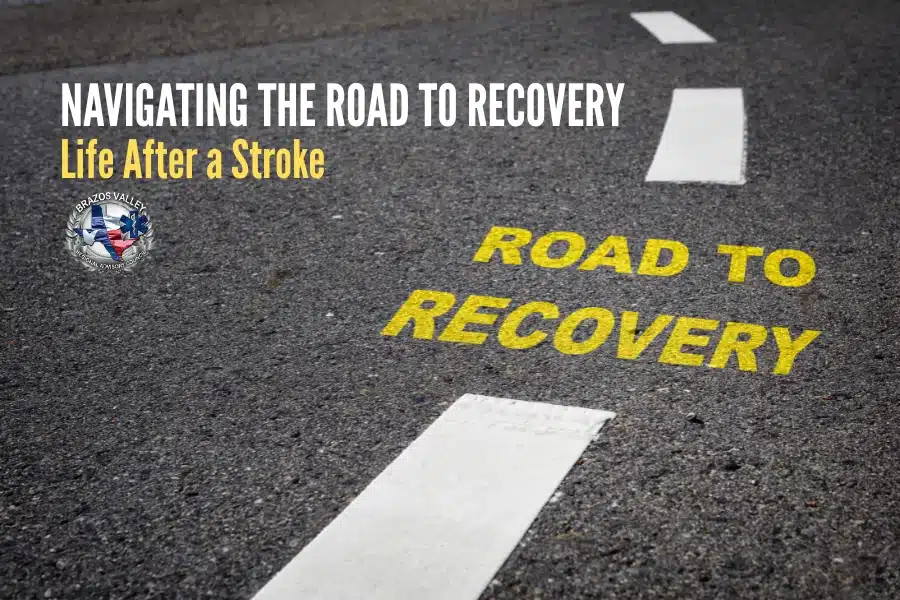
Surviving a stroke is only the beginning of the journey. For survivors and their families, the days, weeks, and months that follow are overwhelming; filled with uncertainty, new challenges, and questions about what comes next.
Recovery looks different for everyone. But one thing is consistent: with the right care, support, and resources, meaningful recovery is possible.
What Happens Immediately After a Stroke
In the hours following a stroke, the medical team’s first priority will be stabilizing the patient and minimizing damage to the brain. Depending on the type of stroke, treatment may include clot-dissolving medication, a procedure to restore blood flow, or close monitoring in an intensive care unit.
Once stabilized, the focus shifts to learning the extent of the stroke’s damage and developing a rehabilitation plan. The sooner rehabilitation begins, the better the outcomes tend to be; the brain has a remarkable ability to adapt and form new pathways, especially in the early stages of recovery.
The Physical, Emotional, and Mental Road Ahead
Stroke can affect survivors in ways that extend far beyond the physical. Survivors and their families need to understand what to expect across all three dimensions.
Physically, survivors may experience weakness or paralysis on one side of the body, difficulty with walking or fine motor skills, trouble swallowing, fatigue, and speech or vision changes. Physical and occupational therapy are central to regaining as much function as possible.
Emotionally, depression and anxiety are extremely common after stroke (affecting up to one-third of survivors). Emotional changes can also include drastic mood swings, frustration, and a sense of grief over lost abilities. These are normal responses to a life-altering event and deserve the same attention as physical symptoms.
Mentally, some survivors experience changes in memory, concentration, or processing speed. Speech therapy can address communication difficulties, while cognitive rehabilitation helps rebuild mental function over time.
Recovery is rarely linear. There will be hard days. Progress may feel slow. That’s expected; be aware that it doesn’t mean recovery isn’t happening.
For Caregivers and Family Members
Caring for a stroke survivor is one of the most meaningful and demanding roles a person can take on. Here’s how to give your loved one the support they need:
- Be patient with the pace of recovery. Don’t push too hard; impatience in your recovery process can actually be harmful. Celebrate small wins regularly.
- Encourage independence where possible. Let your recovering loved one attempt tasks on their own before stepping in. It builds confidence and supports rehabilitation.
- Attend medical appointments together so you understand the care plan and can ask questions.
- Watch for signs of depression or emotional distress and bring them up with the care team. Emotional recovery matters just as much as physical recovery.
- Take care of yourself. Caregiver burnout is real. Seek support, accept help when it’s offered, and don’t neglect your own health.
You cannot pour from an empty cup. Supporting a survivor sustainably means making sure you have support of your own.
Local Resources and Support in the Brazos Valley
Stroke survivors and their families in the Brazos Valley do not have to navigate recovery alone. A range of local and regional resources are available to help:
- Rehabilitation services — Physical, occupational, and speech therapy are available through area hospitals and outpatient clinics across Brazos, Burleson, Robertson, Grimes, Leon, Madison, and Washington counties.
- Stroke support groups — Connecting with other survivors and caregivers provides community, encouragement, and practical insight from people who understand.
- Area Agency on Aging — Offers services for older adults, including care coordination, transportation assistance, and caregiver support programs.
- Mental health services — Counseling and behavioral health resources are available for both survivors and caregivers managing the emotional weight of recovery.
BVRAC works alongside hospitals, EMS providers, and community organizations across the Brazos Valley to improve outcomes for stroke survivors from the moment 911 is called through the full journey of care. Our Stroke Awareness page connects you with additional resources and guidance.
Final Thoughts
Recovery after a stroke is a journey that takes time, patience, and a strong support system. It will have difficult moments. But it also has milestones worth celebrating, progress worth recognizing, and a community that’s ready to help.
If you or someone you love has experienced a stroke, reach out to your care team, connect with available resources, and know that you don’t have to face this alone. BVRAC is here to help you get through it.