Summer in Texas means pool parties, lake days, river trips, and weekends spent enjoying the water. While these activities create lasting family memories, they also bring increased risk. Drowning can happen in seconds, often without splashing or yelling for help. The good news is that most drowning incidents are preventable with the right precautions.
By understanding the risks and creating multiple layers of protection, families can enjoy the water safely all season long.
At the Brazos Valley Regional Advisory Council (BVRAC), injury prevention starts with education. Together, we can help keep children and adults safe around water.
Drowning Is Preventable
According to the Centers for Disease Control and Prevention (CDC), drowning is one of the leading causes of injury-related death for children ages 1 to 4 and remains a significant risk for older children and adults. In Texas, where water recreation is part of everyday life during the summer months, prevention is especially important.
Many drowning incidents occur in residential pools, but lakes, rivers, ponds, and even bathtubs can also pose risks.
Understanding the Leading Causes of Drowning
Many people picture drowning as a dramatic event, but in reality, it is often silent and happens quickly. Some of the most common contributing factors include:
- Lack of active adult supervision
- Children gaining unsupervised access to pools
- Limited swimming ability
- Not wearing life jackets while boating or around open water
- Alcohol use during water activities
- Medical emergencies or fatigue while swimming
Knowing these risks is the first step toward prevention.
Build Layers of Protection Around Water
There is no single solution that prevents drowning. Instead, experts recommend using multiple layers of protection.
Install Proper Pool Barriers
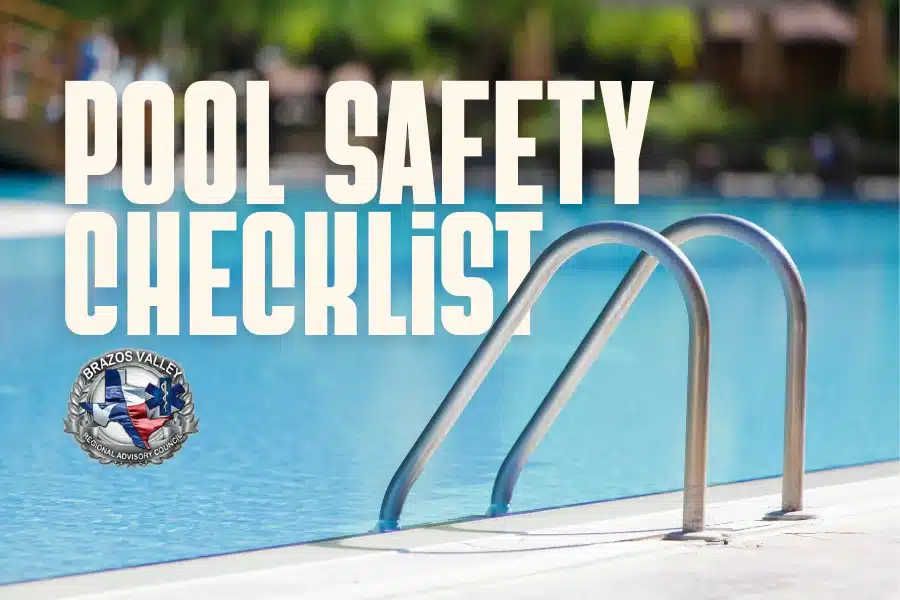
If you own a pool, install a four-sided fence at least four feet high with a self-closing, self-latching gate that completely separates the pool from the home and yard. Pool alarms and door alarms can provide additional warning if someone enters the pool area unexpectedly.
Keep Rescue Equipment Nearby
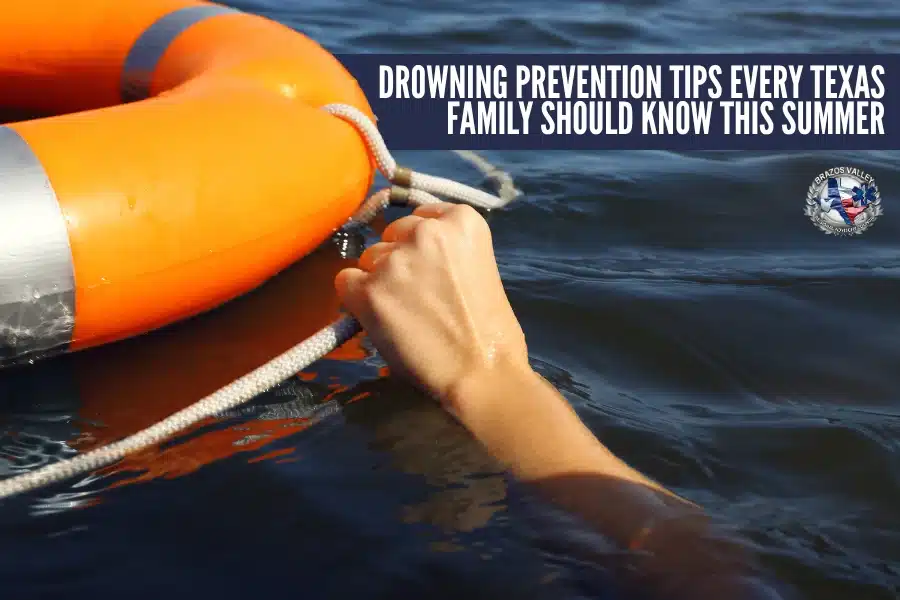
Have a life ring, reaching pole, and a phone available near the pool so help can be called immediately if needed.
Learn Water Safety Rules
Teach children to ask permission before entering the water and establish household rules such as:
- Never swim alone.
- No running near the pool.
- Stay away from drains and pool equipment.
- Enter unfamiliar water feet first.
Active Supervision Saves Lives
One of the most effective ways to prevent drowning is active supervision.
This means giving children your full attention whenever they are near water. Avoid distractions like texting, reading, or scrolling on your phone.
Designate a “Water Watcher” whenever children are swimming. This responsible adult should:
- Stay within arm’s reach of young children.
- Continuously watch the water.
- Avoid alcohol or other distractions.
- Rotate responsibilities with another adult every 15–30 minutes if needed.
Even if lifeguards are present, parents and caregivers should continue actively supervising children.
Swim Lessons Build Confidence and Skills
Learning to swim is an important part of water safety.
The American Academy of Pediatrics recommends swim lessons for many children beginning around age one, depending on their developmental readiness. Swim lessons help children become more comfortable in the water and teach valuable survival skills.
However, it is important to remember that swim lessons do not make anyone “drown-proof.” Children still require close supervision regardless of their swimming ability.
Adults who are not confident swimmers can also benefit from lessons.
Wear a Life Jacket Every Time
Life jackets save lives.
Whenever you’re boating, kayaking, paddleboarding, fishing, or spending time around lakes and rivers, everyone should wear a properly fitted, U.S. Coast Guard-approved life jacket.
Inflatable toys, pool noodles, and water wings are not life-saving devices and should never replace a life jacket.
Children should continue wearing life jackets near open water even if they know how to swim.
Learn CPR Before an Emergency Happens
In a drowning emergency, every second matters.
Knowing CPR can make the difference between life and death while waiting for emergency responders to arrive.
If someone is pulled from the water:
- Call 911 immediately.
- Remove the person from the water safely.
- Begin CPR if they are not breathing normally.
- Continue until emergency responders take over.
Parents, grandparents, babysitters, coaches, teachers, and anyone who supervises children are encouraged to complete a CPR certification course. Many local hospitals, fire departments, and community organizations offer CPR classes throughout the year.
Make Water Safety Part of Every Summer
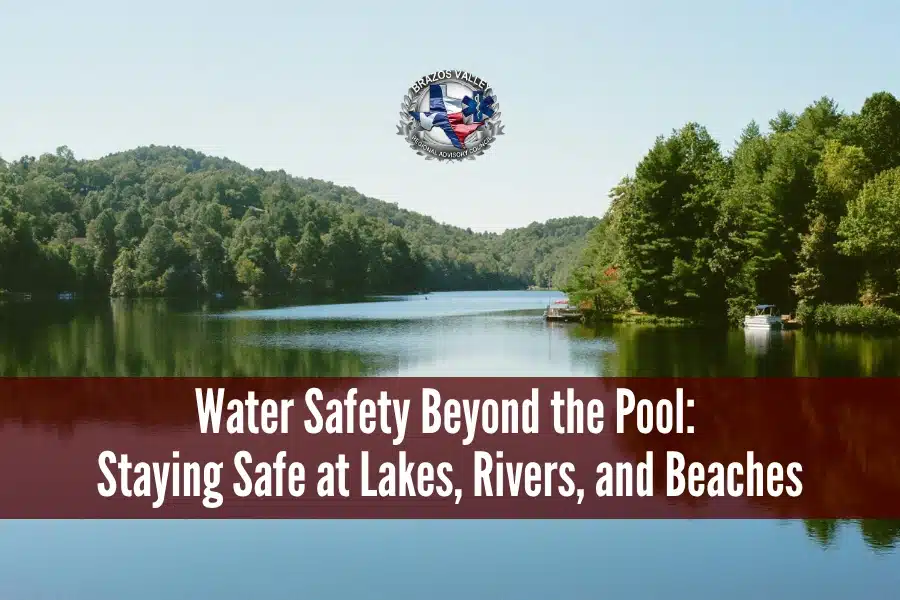
Whether you’re visiting a neighborhood pool, spending the weekend at Lake Bryan, floating the river, or enjoying your backyard pool, water safety should always come first.
Remember these key steps:
- Provide constant, active supervision.
- Install proper pool barriers.
- Enroll children in swim lessons.
- Wear Coast Guard-approved life jackets.
- Learn CPR.
- Never rely on flotation toys for safety.
A few simple precautions can help prevent tragedy and allow families to enjoy everything a Texas summer has to offer.
Help Keep the Brazos Valley Safe This Summer
Every drowning is a tragedy, and many are preventable.
By practicing active supervision, installing proper pool barriers, enrolling children in swim lessons, wearing life jackets, and learning CPR, families throughout the Brazos Valley can help prevent water-related injuries and deaths.
This summer, make water safety everyone’s responsibility.
About BVRAC
The Brazos Valley Regional Advisory Council (BVRAC) is committed to improving emergency preparedness and injury prevention throughout the Brazos Valley. Through education, partnerships, and community outreach, BVRAC works to help residents stay informed, prepared, and safe.
Together, we can prevent injuries before they happen and make this summer a safer one for every family.