Owning a pool is one of the best ways to enjoy the Texas summer, but it also comes with an important responsibility. According to the Centers for Disease Control and Prevention (CDC), drowning is one of the leading causes of injury-related death for young children, and many incidents occur in residential pools.
The good news is that most pool-related injuries and drownings are preventable. By making sure your pool has the proper safety features and emergency equipment, you can create a safer environment for your family, friends, and guests.
The Brazos Valley Regional Advisory Council (BVRAC) encourages every pool owner to review this simple checklist before spending time in the water.
Your Summer Pool Safety Checklist
1. A Four-Sided Pool Fence
A four-sided fence is one of the most effective ways to prevent unsupervised access to the pool.
Your fence should:
- Be at least four feet tall.
- Completely surround the pool.
- Separate the pool from the house and yard.
- Have openings small enough that children cannot squeeze through.
This barrier helps prevent children from wandering into the pool area unnoticed.
2. A Self-Closing, Self-Latching Gate
A fence is only effective if the gate stays closed.
Check that your gate:
- Closes automatically after opening.
- Latches securely every time.
- Opens outward from the pool.
- Has the latch high enough to be out of a young child’s reach.
Never prop the gate open, even during parties or family gatherings.
3. Pool or Door Alarms
An extra layer of protection can provide valuable warning when someone enters the pool area unexpectedly.
Consider installing:
- Pool surface alarms
- Gate alarms
- Door alarms leading to the backyard
- Window alarms for homes with pool access
While alarms are helpful, they should never replace active adult supervision.
4. Rescue Equipment Within Reach
Every pool should have lifesaving equipment readily available in case of an emergency.
Keep nearby:
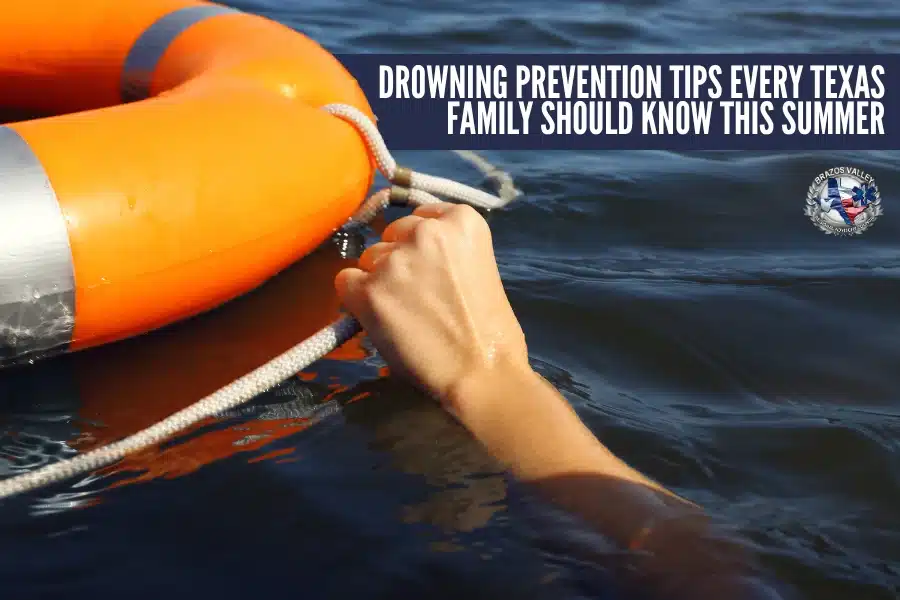
- A life ring or throwable flotation device
- A reaching pole or shepherd’s hook
- A stocked first aid kit
These tools can help someone in distress without requiring another person to enter the water.
5. U.S. Coast Guard-Approved Life Jackets
If young children or inexperienced swimmers are using the pool, properly fitted life jackets provide an additional layer of protection.
Remember:
- Choose U.S. Coast Guard-approved life jackets.
- Ensure the jacket fits properly.
- Never rely on inflatable toys, water wings, or pool noodles as lifesaving devices.
These toys are designed for play, not protection.
6. An Emergency Phone Nearby
In an emergency, every second counts.
Always keep:
- A charged cell phone nearby, or
- Easy access to a home phone
Post emergency numbers where they’re easy to see, and make sure everyone knows the home address in case they need to call 911.
Pool Safety Goes Beyond Equipment
Even with every item on this checklist, the most important safety tool is active supervision.
Whenever children are near the water:
- Designate a “Water Watcher.”
- Stay within arm’s reach of young children.
- Put away phones and other distractions.
- Never assume someone else is watching.
Layers of protection work best when combined with attentive supervision.
Bonus Safety Tips
While you’re checking your pool this summer, consider adding these important habits:
✔ Learn CPR and encourage other caregivers to become certified.
✔ Establish pool rules, including:
- No running.
- No diving in shallow water.
- No swimming alone.
- Always ask permission before entering the pool.
✔ Keep pool drains and equipment properly maintained.
✔ Remove toys from the water after swimming so children aren’t tempted to reach for them.
Print This Pool Safety Checklist
Before your next pool day, ask yourself:
✅ Four-sided fence installed
✅ Self-closing, self-latching gate
✅ Pool or door alarms working
✅ Life ring and reaching pole available
✅ Coast Guard-approved life jackets on hand
✅ Emergency phone nearby
✅ Designated Water Watcher assigned
If you can check every box, you’re taking important steps toward preventing water-related injuries.
A Safer Summer Starts at Home
Pool safety isn’t about one piece of equipment, it’s about creating multiple layers of protection that work together. By combining barriers, emergency equipment, active supervision, and preparation, families can greatly reduce the risk of drowning and enjoy a safer summer.
The Brazos Valley Regional Advisory Council (BVRAC) is committed to helping communities across the Brazos Valley prevent injuries through education and awareness. Together, we can make every pool day a safe one.
Because the best pool accessory isn’t a float or a diving board, it’s safety.