Summer in Texas means more than backyard pool days. Families across the Brazos Valley spend time at lakes, rivers, beaches, and on the water enjoying boating, fishing, kayaking, tubing, and swimming. While these activities create unforgettable memories, open water presents unique risks that require extra caution.
Unlike swimming pools, natural bodies of water are unpredictable. Changing weather, strong currents, uneven terrain, and limited visibility can quickly turn a fun outing into an emergency.
The Brazos Valley Regional Advisory Council (BVRAC) encourages everyone to understand these risks and take simple steps to stay safe while enjoying Texas waters.
Open Water Is Different Than a Swimming Pool
Many people feel confident in a swimming pool but underestimate the dangers of lakes, rivers, and beaches.
Open water conditions can change without warning, including:
- Sudden drop-offs or deep water
- Strong currents or undertows
- Hidden rocks, logs, or debris
- Murky water with poor visibility
- Cold water that can cause shock or muscle cramps
- Changing weather conditions and high winds
Even experienced swimmers can become overwhelmed in open water.
Before entering the water, take a moment to assess the area, understand local conditions, and avoid swimming in unfamiliar locations.
Practice Safe Boating
Whether you’re spending the day on Lake Somerville, boating on the Brazos River, or enjoying another Texas waterway, boating safety should always come first.
Before heading out:
- Check the weather forecast.
- Tell someone where you’re going and when you expect to return.
- Ensure your boat has all required safety equipment.
- Keep a charged cell phone or marine radio available.
Most importantly, everyone on board should wear a properly fitted U.S. Coast Guard-approved life jacket.
Texas law requires life jackets for children under 13 while underway on recreational vessels, but wearing one is a smart choice for everyone, regardless of age.
Understand Currents Before You Swim
Moving water is one of the greatest hazards in natural environments.
Rivers
River currents may appear calm on the surface but can move much faster underneath. Heavy rainfall upstream can quickly increase water levels and current speeds without warning.
Never dive into rivers where you cannot see the bottom, and avoid swimming near dams or flood-control structures.
Beaches
If you’re visiting the Texas Gulf Coast, be aware of rip currents.
Rip currents are powerful channels of water moving away from shore. They can pull even strong swimmers away from the beach in seconds.
If caught in a rip current:
- Stay calm.
- Don’t swim directly back to shore.
- Swim parallel to the shoreline until you escape the current.
- Once free, swim back toward shore at an angle.
- If you cannot escape, float or tread water and wave for help.
Knowing how to respond can save your life.
Alcohol and Water Don’t Mix
Alcohol is a leading factor in many boating and drowning incidents.
Drinking affects:
- Balance and coordination
- Judgment and decision-making
- Reaction time
- Ability to recognize danger
Heat, sun exposure, and dehydration can increase alcohol’s effects, making water activities even more dangerous.
If you’re operating a boat or supervising children around water, stay alcohol-free. Designate a sober boat operator just as you would designate a sober driver.
Be Prepared Before an Emergency Happens
Emergencies can happen quickly, especially in open water.
Before heading out:
- Learn basic CPR and first aid.
- Bring a fully charged phone.
- Pack a first aid kit.
- Know the location of the nearest emergency services.
- Watch weather forecasts throughout the day.
- Avoid swimming during storms or when lightning is nearby.
If someone is in trouble:
- Call 911 immediately.
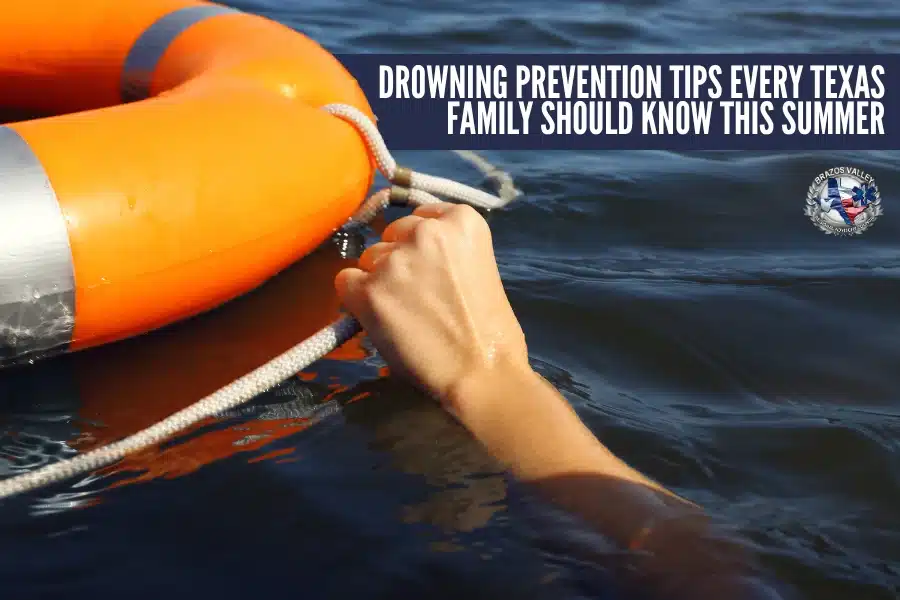
- Throw a flotation device if available.
- Avoid jumping into dangerous water unless you are trained in water rescue.
Remember: Reach or throw, don’t go. Many would-be rescuers become victims themselves when attempting an untrained rescue.
Plan Ahead for a Safe Day on the Water
A little preparation can make a big difference.
Before your trip:
- Wear life jackets.
- Stay hydrated and protect yourself from the sun.
- Swim with a buddy, never alone.
- Keep children within arm’s reach near water.
- Monitor weather conditions.
- Respect warning flags, signs, and local advisories.
Making safety part of your plans helps everyone enjoy the day with greater peace of mind.
BVRAC’s Commitment to Water Safety
At the Brazos Valley Regional Advisory Council (BVRAC), injury prevention is about empowering families with the knowledge to recognize hazards before emergencies happen. Through education and community partnerships, BVRAC works to reduce preventable injuries and improve emergency preparedness across the Brazos Valley.
Whether you’re spending the weekend at the lake, floating the river, or taking a family vacation to the coast, remember that water safety extends far beyond the swimming pool.
By understanding open-water hazards, wearing life jackets, avoiding alcohol while boating, recognizing dangerous currents, and preparing for emergencies, every Texan can help make this summer a safer one.